
- Lectures / Webinars
- FLICNA Podcasts & Journal Club
- Approach to Pediatric Autoimmune Encephalitis
Approach to Pediatric Autoimmune Encephalitis
Hot

This content is only available for our subscribers. Please click here to subscribe to a subscription plan for unrestricted access.
🧠 Approach to Pediatric Autoimmune Encephalitis
🗓️ Date: Saturday, November 15, 2025
⏰ Time: 9:00 – 10:00 AM Eastern Time (US / Canada)
🗓️ Date: Saturday, November 15, 2025
⏰ Time: 9:00 – 10:00 AM Eastern Time (US / Canada)
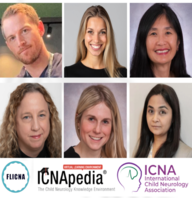
👩🏫 Lecturers: Curtis Hay & Lauren Strasser (Speakers)
🎓 Expert Faculty: E. Ann Yeh
💬 Panellist: Helen Branson
🎙️ Moderators: Sonali Singh & Robyn Whitney
🎓 Expert Faculty: E. Ann Yeh
💬 Panellist: Helen Branson
🎙️ Moderators: Sonali Singh & Robyn Whitney
🔗 Click Here to Register:
https://us02web.zoom.us/webinar/register/WN_AdoA9u6gS0GorvnF9pCK_w
https://us02web.zoom.us/webinar/register/WN_AdoA9u6gS0GorvnF9pCK_w
📚 About the Topic
Pediatric autoimmune encephalitis (AE) is an increasingly recognized cause of encephalopathy in children, characterized by seizures, neuropsychiatric symptoms, movement, and autonomic disturbances due to immune-mediated inflammation of the brain. 🧬
This session will review the clinical presentation, diagnostic approach, and management of pediatric AE — highlighting key differences from adult onset disease, the role of antibody testing and neuroimaging, and current evidence for immunotherapy and long-term outcomes.
Pediatric autoimmune encephalitis (AE) is an increasingly recognized cause of encephalopathy in children, characterized by seizures, neuropsychiatric symptoms, movement, and autonomic disturbances due to immune-mediated inflammation of the brain. 🧬
This session will review the clinical presentation, diagnostic approach, and management of pediatric AE — highlighting key differences from adult onset disease, the role of antibody testing and neuroimaging, and current evidence for immunotherapy and long-term outcomes.
🎯 Learning Objectives
- Recognize the key clinical features and red flags suggestive of autoimmune encephalitis in children.
- Describe the diagnostic approach, with focus on neuroimaging patterns and findings in pediatric AE.
- Outline acute and maintenance immunotherapy strategies and multidisciplinary management principles.
- Discuss prognostic factors, relapse risk, and long-term neurocognitive outcomes in pediatric AE.
Viewer Review
No viewer reviews
Already have an account? Log in now or Create an account
Or continue with