
- Lectures / Webinars
- Advocacy for Autism-Global strategies for advocacy in ASD
Advocacy for Autism-Global strategies for advocacy in ASD

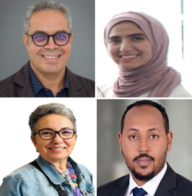
ICNA Advocacy Webinar – Autism
Topic: Global strategies for advocacy in ASD
Lecturers: Naoufel Gaddour (Speaker); Sumaiya AL-Hadhrami (Panelist); Abdulrazaq Alsomali (Panelist); Chahnez Charfi Triki (Moderator); Biju Hameed (Panelist)
When: Thursday, 23 April 2026
Time: 06:00 PM (Tunisian Time), 01:00 PM EST
Approx. duration: 90 minutes
Organized by: ICNA Advocacy Committee
Theme: Autism, Health policies, Education, Social inclusion
Dr Naoufel Gaddour
Title: Advocacy for a global and more dynamic understanding of autism
About the Topic:
A growing need is noticed to consider ASD as a dynamic process with different outcomes and severities, not only associated with different levels of neurobiological impairments, but also modulated by environmental factors and comorbidities with great impact on prognosis and pathways, and subsequently on interventions. Follow-up assessments and personalized treatment plans that focus on individual strengths, difficulties, and changes in contexts and expectations across the life span are needed. Lessons learned from the description of ASD throughout different socio-economic contexts and as an evolutive process with different manifestations highlight the pressing need for increased investment in research on autism according to family and social contexts, and according to changes in autism dynamics through life. It is crucial to improve the understanding of autism in relation with the local context and as an evolving process so that institutions and key stakeholders are able to devise viable implementation strategies.
Learning objectives:
1. Describe autism as a dynamic process through lifespan, taking into consideration the impact of environment and interventions in shaping outcomes
2. Propose personalized and malleable interventional strategies according to context and evolution of needs
3. Discuss the relevance of concepts of neurodiversity and disability
Dr. Sumaiya Al-Hadhrami
Title: Rethinking Autism Advocacy: From Global Evidence to Local Action
About the Topic:
This session aims to provide a practical, evidence-informed approach to autism advocacy across diverse global contexts. It will explore existing gaps and disparities in autism services worldwide, particularly in relation to access to diagnosis, intervention, and inclusive education. Emphasis will be placed on identifying advocacy strategies that are adaptable to resource-variable settings, including low- and middle-income countries, and grounded in current evidence and global initiatives. A key focus will be the meaningful integration of autistic individuals and their families as active partners in advocacy and service development, ensuring that lived experiences inform priorities and interventions. Finally, the session will highlight actionable steps that clinicians and stakeholders can take at individual, institutional, and policy levels to promote more inclusive, equitable, and contextually relevant autism care systems.
Learning Objectives:
1. Identify key gaps and disparities in autism advocacy across different global contexts
• (healthcare access, early diagnosis, education, stigma, workforce limitations)
2. Apply evidence-based and context-sensitive advocacy strategies adaptable to resource-variable settings
3. Integrate autistic individuals and families as partners in advocacy and service development
4. Formulate practical, multi-level advocacy actions at the clinician, institutional, and policy levels.
Dr. Abdulrazaq Alsomali
Title: The Lives of Caregivers and Parents of Children with Autism.
About the Topic:
This talk aims to explore the lives of caregivers and parents of children with autism, with emphasis on the magnitude and key domains of caregiver burden and quality of life. It will examine how these experiences are influenced by the child, caregiver, family, cultural, and economic factors. The presentation will also review current evidence on coping strategies and resilience processes among parents of autistic children, and identify modifiable targets such as parental mental health, parenting skills, social support, and access to services that may be addressed through evidence-based interventions in routine autism care. Finally, it will present a practical, family-centered framework for assessing caregiver needs during clinical visits, using validated measures of burden and quality of life to strengthen caregiver partnerships and promote long-term adaptation and family well-being.
Learning Objectives
1. Describe the magnitude and main domains of caregiver burden and quality of life for parents of autistic children.
2. Summarize current evidence on coping strategies and resilience in parents of autistic children, and identify modifiable targets for everyday autism care.
3. Outline a practical, family-centered, strengths-based framework for assessing caregiver needs in clinical encounters.
Title: Advocacy for a global and more dynamic understanding of autism
About the Topic:
A growing need is noticed to consider ASD as a dynamic process with different outcomes and severities, not only associated with different levels of neurobiological impairments, but also modulated by environmental factors and comorbidities with great impact on prognosis and pathways, and subsequently on interventions. Follow-up assessments and personalized treatment plans that focus on individual strengths, difficulties, and changes in contexts and expectations across the life span are needed. Lessons learned from the description of ASD throughout different socio-economic contexts and as an evolutive process with different manifestations highlight the pressing need for increased investment in research on autism according to family and social contexts, and according to changes in autism dynamics through life. It is crucial to improve the understanding of autism in relation with the local context and as an evolving process so that institutions and key stakeholders are able to devise viable implementation strategies.
Learning objectives:
1. Describe autism as a dynamic process through lifespan, taking into consideration the impact of environment and interventions in shaping outcomes
2. Propose personalized and malleable interventional strategies according to context and evolution of needs
3. Discuss the relevance of concepts of neurodiversity and disability
Dr. Sumaiya Al-Hadhrami
Title: Rethinking Autism Advocacy: From Global Evidence to Local Action
About the Topic:
This session aims to provide a practical, evidence-informed approach to autism advocacy across diverse global contexts. It will explore existing gaps and disparities in autism services worldwide, particularly in relation to access to diagnosis, intervention, and inclusive education. Emphasis will be placed on identifying advocacy strategies that are adaptable to resource-variable settings, including low- and middle-income countries, and grounded in current evidence and global initiatives. A key focus will be the meaningful integration of autistic individuals and their families as active partners in advocacy and service development, ensuring that lived experiences inform priorities and interventions. Finally, the session will highlight actionable steps that clinicians and stakeholders can take at individual, institutional, and policy levels to promote more inclusive, equitable, and contextually relevant autism care systems.
Learning Objectives:
1. Identify key gaps and disparities in autism advocacy across different global contexts
• (healthcare access, early diagnosis, education, stigma, workforce limitations)
2. Apply evidence-based and context-sensitive advocacy strategies adaptable to resource-variable settings
3. Integrate autistic individuals and families as partners in advocacy and service development
4. Formulate practical, multi-level advocacy actions at the clinician, institutional, and policy levels.
Dr. Abdulrazaq Alsomali
Title: The Lives of Caregivers and Parents of Children with Autism.
About the Topic:
This talk aims to explore the lives of caregivers and parents of children with autism, with emphasis on the magnitude and key domains of caregiver burden and quality of life. It will examine how these experiences are influenced by the child, caregiver, family, cultural, and economic factors. The presentation will also review current evidence on coping strategies and resilience processes among parents of autistic children, and identify modifiable targets such as parental mental health, parenting skills, social support, and access to services that may be addressed through evidence-based interventions in routine autism care. Finally, it will present a practical, family-centered framework for assessing caregiver needs during clinical visits, using validated measures of burden and quality of life to strengthen caregiver partnerships and promote long-term adaptation and family well-being.
Learning Objectives
1. Describe the magnitude and main domains of caregiver burden and quality of life for parents of autistic children.
2. Summarize current evidence on coping strategies and resilience in parents of autistic children, and identify modifiable targets for everyday autism care.
3. Outline a practical, family-centered, strengths-based framework for assessing caregiver needs in clinical encounters.
Viewer Review
No viewer reviews
Already have an account? Log in now or Create an account
Or continue with