ICNA Executive Board Elections 2026–2030
The International Child Neurology Association (ICNA) invites its Active Full Members to participate in the Executive Board Elections for the 2026–2030 term. These elections represent a vital element of ICNA’s governance, ensuring that the leadership of the Association continues to reflect its values of professionalism, inclusivity, academic excellence, and global representation.
The Executive Board plays a central role in shaping ICNA’s strategic direction, supporting its educational and advocacy mission, and strengthening collaboration across regions to advance child neurology worldwide. The individuals elected to the Board will contribute to guiding the Association through the next phase of its development, building on the strong foundations established by previous leadership while responding to emerging global priorities in child neurology and neurodisability.
Below, you will find the biodata and personal statements of the candidates standing for election. Members are encouraged to review these carefully before casting their vote.
Voting is open to all Active Full Members of ICNA. Each eligible member may select up to four (4) candidates from each region. To ensure the integrity and confidentiality of the electoral process, all members have been provided with a unique voting code via email. This code will be required to validate and submit your ballot.
ICNA thanks its members for their continued engagement and commitment to the democratic processes that underpin the Association’s work and global impact.
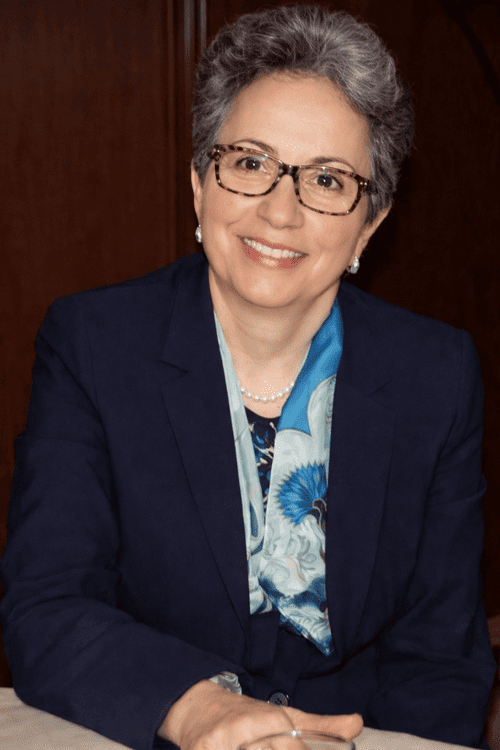 Chahnez Charfi Triki, MD, PhD 🇹🇳
Current Positions
Head, Child Neurology Department, University Hospital, University of Sfax, Sfax, Tunisia
Vice Dean of Research, Faculty of Medicine, University of Sfax, Sfax, Tunisia
Head of Medical Department, Faculty of Medicine, University of Sfax, Sfax, Tunisia
Chair, Research Laboratory for Child Neurology, Faculty of Medicine, University of Sfax, Sfax, Tunisia
Recent Positions
Chair, Personal Data Protection Committee for Southern Tunisia
Editor-in-Chief, Journal Régional de Santé de Sfax
Vice President, International Bureau for Epilepsy (IBE), Eastern Mediterranean Region
Co-Chair, Ketogenic Diet ILAE Task Force (2025–2029)
Chair, ILAE Eastern Mediterranean Region Committee (2017–2021)
Past Chair, ILAE Eastern Mediterranean Region (2021–2025)
Co-Chair, ILAE Adaptation and Implementation Task Force (2021–2025)
Member, WHO Strategic and Technical Advisory Group for Mental Health, Brain Health and Substance Use (STAG-M) (2022–2025)
Member, Executive Board, African Child Neurology Association (ACNA) (2022–2026)
Member, WHO Guideline Development Group for Meningitis Diagnosis, Treatment and Care Guidelines
President and Founder, Tunisian Association for the Development of Epileptology (2024–present)
President, Tunisian Association Against Epilepsy (2004–present)
President and Founder, Research Association for Child Neurology; Vice President (2023–2026)
Current and Past Roles in ICNA
Member, ICNA Executive Board (2018–present)
Chair, ICNA Advocacy Committee (2022–2026)
Member, ICNA Education Committee (2018–present)
Member, ICNA Nomination Committee (2018–present)
Member, International Child Neurology Teaching Network (ICNTN) (2018–present)
Personal Statement and Vision for ICNA
With extensive experience in clinical care, academic leadership, and international collaboration in child neurology, I am deeply committed to contributing to the continued growth, efficiency, and global impact of the International Child Neurology Association. I fully recognize the importance of the Secretary’s role in ensuring the smooth functioning of the Association and am prepared to assume these responsibilities with professionalism, diligence, and organizational rigor.
My approach emphasizes transparent supervision of administrative operations, effective management of membership interactions, accurate documentation and archiving, and efficient coordination of General Meetings and Executive Board sessions. I am committed to ensuring timely preparation, circulation, and approval of minutes and to maintaining clear communication channels between the Executive Board and the broader membership. I will oversee membership applications, resignations, and enquiries with care and transparency, ensuring all interactions reflect ICNA’s values and standards.
I am committed to maintaining a clear, accessible, and legally compliant archival system and to ensuring full compliance with Belgian legal requirements, including timely updates to the Association’s registered address, Executive Board composition, and officer information. I fully support continuity mechanisms that allow the Executive Board to assume the Secretary’s responsibilities in cases of temporary unavailability.
My vision for this role is to strengthen ICNA’s global visibility, digital presence, member engagement, scientific influence, and partnerships with regional and international child neurology networks. My priorities are organized under five strategic pillars.
Strategic Pillar 1: Digital Presence
Strengthen ICNA’s visibility in education and research.
Enhance the ICNA website with regular features highlighting members and regional initiatives.
Develop short video capsules showcasing ICNA projects, working groups, and congress activities.
Strategic Pillar 2: Member Engagement
Launch quarterly virtual “ICNA Connect” sessions.
Encourage regional ambassadors to share updates and success stories.
Establish mentorship links between early-career neurologists and senior ICNA experts.
Strategic Pillar 3: Scientific and Educational Outreach
Increase ICNA participation in international congresses and collaborative symposia.
Develop new CME-accredited webinars and online courses.
Publish ICNA-branded expert position statements, clinical pathways, and best-practice guidelines.
Create a global repository of case-based learning modules.
Introduce a “Member of the Month” recognition initiative.
Strategic Pillar 4: Partnerships and Global Advocacy
Formalize collaborations with regional societies such as AOCNA, ACNA, EPNS, and AOCCN.
Strengthen partnerships with WHO, UNICEF, and global public health agencies.
Increase visibility through joint publications, advocacy campaigns, and awareness initiatives.
Strategic Pillar 5: Internal Organization and Communication
Implement standardized templates for minutes, reports, and announcements.
Establish a structured communication calendar.
Develop a long-term digital archiving strategy.
Enhance onboarding processes for new Executive Board members.
It would be an honor to contribute to ICNA’s progress through this leadership role. With a strong commitment to transparency, organization, and global engagement, I am ready to serve the Association and its members with dedication and vision.
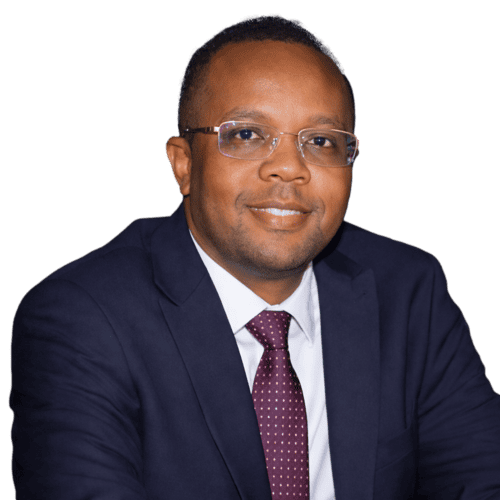 Edward Kija, MD 🇹🇿
Current Positions
Senior Lecturer, Paediatrics and Child Health, Muhimbili University of Health and Allied Sciences, Dar es Salaam, Tanzania
Recent Positions
Council Member, Paediatric Association of Tanzania
Member, Tanzania Food and Drugs Authority (TFDA) Human Medicine Registration Technical Committee
Member, International League Against Epilepsy (ILAE) Commission on African Affairs
Member, ILAE Task Force on Access to Medicines and Treatment
Member, ILAE Task Force on Transition from Child to Adult Care
Associate Editor, Tanzania Medical Journal
Current and Past Roles in ICNA
Member, ICNA Executive Board (2018–present)
Recipient, Sheila Wallace Award (2022)
Personal Statement and Vision for ICNA
The International Child Neurology Association is a vital global organization for promoting child neurology services worldwide. For many years, ICNA has successfully connected clinicians delivering child neurology care across diverse regions. As a member of the Executive Board, I am committed to continuing this work by strengthening three core areas: training, research, and equitable access to child neurology care.
In the area of training, I aim to expand both virtual and in-person educational opportunities for child neurologists and clinicians caring for children with neurological disorders. This includes organizing educational seminars and webinars that provide up-to-date guidance on the management of neurological conditions. I also strongly support collaboration between ICNA, academic institutions, and governments to promote formal training programs in pediatric neurology, particularly in sub-Saharan Africa, where there is a critical shortage of trained specialists.
Second, I seek to strengthen research collaboration among pediatric neurologists, especially in resource-limited settings. Research output from these regions remains limited, restricting global understanding of disease diversity and context-specific comorbidities. Enhanced collaboration would support locally generated evidence and improve child neurology care tailored to regional needs.
Third, I am committed to strengthening ICNA’s role at both global and national levels in advocating for equitable child neurology services. This includes improving access to essential equipment, medicines, and formally trained personnel. ICNA can play an important role in raising awareness of child neurology needs and advocating for greater allocation of resources to support these services.
I firmly believe that a stronger ICNA will have a significant impact on training, research, and advocacy, ultimately promoting equitable child neurology care and improving outcomes for children worldwide.
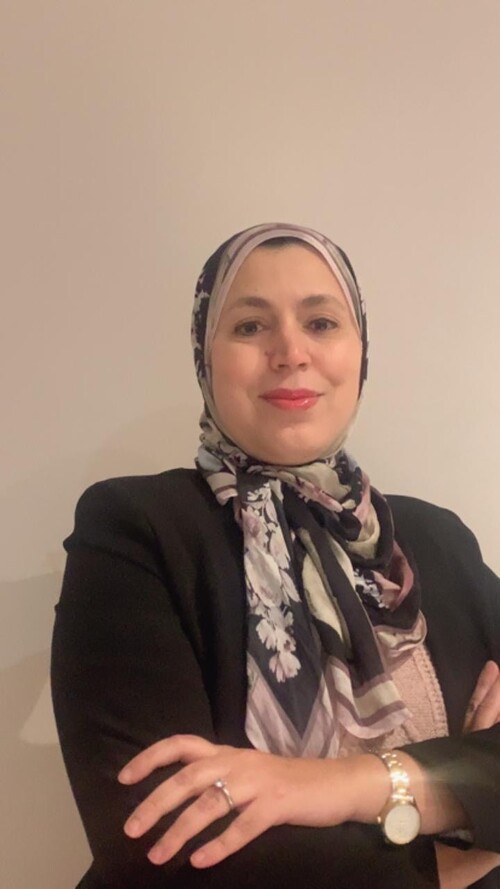 Kaoutar Khabbache, MD 🇲🇦
Current Positions
Associate Professor of Neuropediatrics, Faculty of Medicine and Pharmacy, Tangier, Morocco
Recent Positions
General Secretary and Founding Member, Moroccan Society of Child Nervous System Diseases (2021–present)
Member, Moroccan League Against Epilepsy (2020–present)
Member, Moroccan Society of Neurophysiology (2018–present)
Current and Past Roles in ICNA
Member
Personal Statement and Vision for ICNA
I am honored to be nominated for election to the Executive Board of the International Child Neurology Association for the 2026–2030 term. I am an Associate Professor of Pediatric Neurology at the Faculty of Medicine and Pharmacy of Tangier and have been actively involved in pediatric neurology clinical practice, teaching, and research for more than 15 years, with a strong international orientation.
My training in child neurology and neonatology at Erasme University Hospital (Université Libre de Bruxelles), combined with several university diplomas completed in France (Montpellier, Angers), Belgium, Dubai, and Morocco, has provided me with a solid foundation in pediatric epilepsy, movement disorders, neonatal neurology, and rare diseases. This international academic and clinical pathway has shaped my professional identity and strengthened my engagement with the global pediatric neurology community.
Over the years, I have participated as a speaker in numerous international scientific meetings, including conferences in Tunisia, Iraq, Morocco, and Egypt. I have also contributed to capacity-building initiatives through pediatric epilepsy training courses organized by regional groups of the International League Against Epilepsy. At the national level, I have been closely involved in the organization and development of scientific activities as General Secretary and founding member of the Moroccan Society of Child Nervous System Diseases, with responsibility for scientific programming and for fostering collaboration between clinicians and researchers.
My research activities focus on improving the diagnosis and management of neurological diseases in children. I currently serve as principal investigator on two major projects: the first Moroccan interventional cohort study evaluating cannabidiol in drug-resistant childhood epilepsy, and the NEOMAR feasibility study on newborn screening for metabolic diseases in Northern Morocco. I have also participated in international collaborative projects related to spinal muscular atrophy newborn screening, public health, breastfeeding practices, and neurodevelopmental disorders.
Through these experiences, I have developed a strong commitment to advancing child neurology globally, particularly in low- and middle-resource settings. I firmly believe in equitable access to knowledge, early diagnosis, and innovative therapies for children with neurological disorders.
If elected to the ICNA Executive Board, I am committed to supporting international collaboration across regions, strengthening scientific exchange and training opportunities, promoting diversity and representation within the Association, and contributing actively to the strategic development of ICNA initiatives. It would be both an honor and a privilege to serve the ICNA community with dedication, integrity, and enthusiasm.
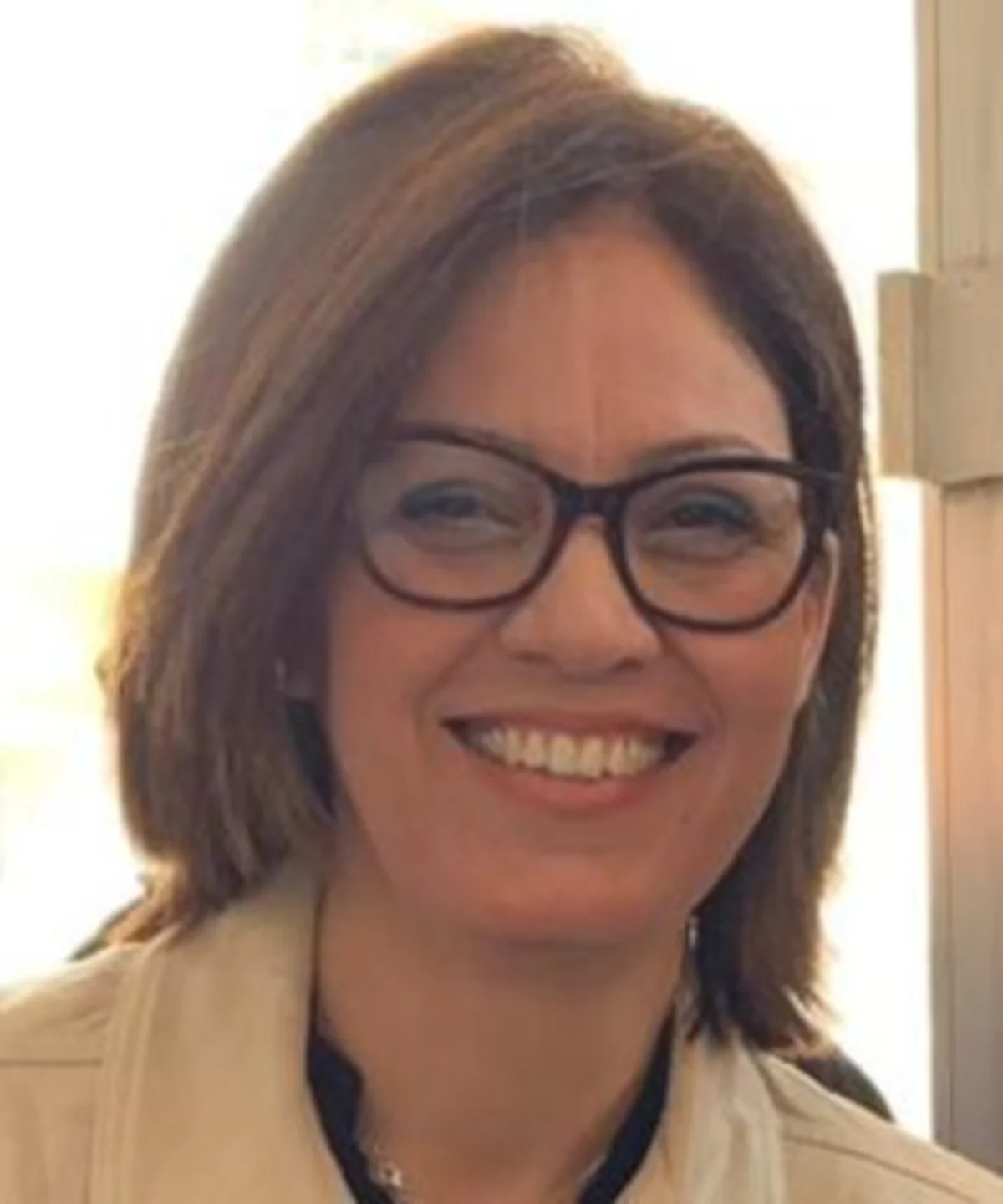
Fatma Kamoun Feki, MD 🇹🇳
Current Positions
Professor of Neurology, University of Sfax, Sfax, Tunisia
Head, Neurophysiology Unit, Child Neurology Department, University of Sfax, Sfax, Tunisia
Recent Positions
Member, CPPSUD (National Committee for the Protection of Persons in Clinical Trials) (2024–2026)
Founding Member and Treasurer, Tunisian Association for the Development of Epileptology (2024–2026)
Founding Member, Association for Research in Child Neurology (ARMNE) (2000); President (2022–2024)
Founding Member (2017) and Secretary General, Tunisian Cerebral Palsy Association (ATPC) (2023–2025)
Founding Member and Treasurer, Tunisian Child Neurology Association (ATNEA) (2015–2017; 2017–2020)
Current and Past Roles in ICNA
Member (2004–present)
Personal Statement and Vision for ICNA
I am honored to be nominated for election to the ICNA Executive Board for the 2026–2030 term. As a physician with long-standing experience in child neurology and epilepsy management, medical education, and clinical research, I am eager to contribute to advancing the mission of the International Child Neurology Association.
From the beginning of my neurology training, I was drawn to child neurology, with advanced training at the University of Paris, France, including a University Diploma in “Cerebral Palsy and Disabilities.” Throughout my career, I have combined clinical practice with academic work, focusing on neurodevelopmental disorders, cerebellar ataxias, patient-centered care, medical training, and research. In recent years, we have established a multidisciplinary neuromuscular disease care unit and an epilepsy monitoring unit within our department.
For many years, I have worked to improve care for children with neurological disorders at both national and regional levels by promoting education, research, and collaboration to reduce inequalities. This has included training primary care physicians in the early detection of neurological disorders, particularly cerebral palsy, and promoting research within primary care settings. We have built strong professional networks involving pediatric neurologists and allied health professionals working in cerebral palsy, epilepsy, and neuromuscular diseases.
At a societal level, I have been actively involved in several national associations related to child neurology and epilepsy, including ARMNE, where I served as President; the Tunisian Association for the Development of Epileptology, where I serve as Treasurer; and parent advocacy organizations, where I have held leadership roles.
As a member of ICNA since 2004, I have greatly benefited from its educational and collaborative initiatives, particularly the International Child Neurology Teaching Network. I am highly motivated to build on the progress achieved in recent years and to further support ICNA’s core missions, especially in training and education through the development of courses and international networks, and in establishing strong multidisciplinary networks of pediatric neurologists and healthcare professionals to improve care for common neurological conditions in children.
Moustapha Ndiaye, MD 🇸🇳
Current Positions
Professor and Head, Neurology Department, Fann University Hospital, Dakar, Senegal
Head, Pediatric Neurology Training Program, Faculty of Medicine, Pharmacy, and Dentistry, Cheikh Anta Diop University of Dakar, Dakar, Senegal
Recent Positions
President, Senegalese Association of Neurology
President, Senegalese League Against Epilepsy
Current and Past Roles in ICNA
Member
Personal Statement and Vision for ICNA
The International Child Neurology Association must remain a strong and effective tool for the development of pediatric neurology worldwide. Over the past two years, I have been actively engaged in ICNA activities through the Advocacy Committee, and I hope to continue this engagement during the 2026–2030 term. One of my key objectives is to expand the participation of French-speaking countries within ICNA and to strengthen their integration into the global child neurology community.
In sub-Saharan French-speaking Africa, Senegal is currently the only country where a formal diploma in pediatric neurology has been implemented. Strengthening international collaboration in pediatric neurology is therefore essential to further develop the specialty in our region. Engagement with ICNA and the broader international pediatric neurology community provides critical opportunities for education, capacity building, and professional exchange.
As President of the Senegalese Association of Neurology and the Senegalese League Against Epilepsy, I am committed to continuing the promotion and development of pediatric neurology in Senegal and across Africa. Through ICNA, I aim to support training initiatives, advocacy efforts, and regional collaboration to improve neurological care for children in low-resource settings and to ensure that African perspectives are well represented in global child neurology.
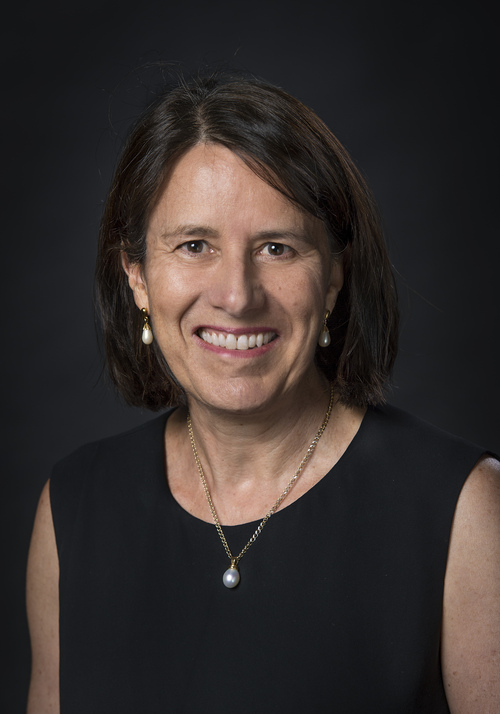
Clair Pridmore, MBBS 🇦🇺
Current Positions
Staff Paediatric Neurologist, The Women’s and Children’s Hospital, Adelaide, Australia
Recent Positions
Unit Head, Neurology, The Women’s and Children’s Hospital, Adelaide, Australia (2009–2013)
Director, Australia and New Zealand Child Neurology Society (ANZCNS) Board (2019–present)
Secretary, Australia and New Zealand Child Neurology Society (ANZCNS) Board (2023–present)
Member, ANZCNS Education and Training Committee (2014–present)
Current and Past Roles in ICNA
Member
Personal Statement and Vision for ICNA
Although my professional activities have largely been based within Australia and New Zealand, I have been deeply engaged in child neurology education, training, advocacy, research, and knowledge sharing at a national level. The mission of the International Child Neurology Association resonates strongly with me and aligns closely with the goals of the boards and councils in which I currently serve. I believe my experience as a paediatric neurologist, educator, supervisor, assessor, and advocate, together with formal governance training as a Graduate Member of the Australian Institute of Company Directors, places me in a strong position to support ICNA in achieving its objectives.
I completed my paediatric neurology training overseas in centres of excellence in the United Kingdom and Canada, gaining exposure to diverse healthcare systems, culturally and linguistically diverse populations, and high-volume, complex clinical environments.
I currently work as a Staff Paediatric Neurologist at the Women’s and Children’s Hospital in Adelaide, providing care for children and young people with acute and chronic neurological conditions. My work includes multidisciplinary, patient-centred care; outreach paediatric neurology clinics at Alice Springs Hospital since 2006; Royal Australasian College of Physicians–directed supervision of basic and advanced trainees; and formal teaching of medical trainees. I recently led the development of a Paediatric Acute Code Stroke pathway and guidelines for our hospital as part of a national collaboration with interstate paediatric neurology colleagues. I am also an investigator member of the Developmental and Epileptic Encephalopathy Research (DEER) network.
The Australia and New Zealand Child Neurology Society shares ICNA’s mission to improve outcomes for children with neurological disorders through education, research, high standards of care, professional communication, and advocacy. I have been privileged to serve as a Board Director since 2019 and as Secretary since 2023. Through ANZCNS, I have been directly involved in the implementation of British Paediatric Neurology Association Paediatric Epilepsy Training short courses in Australia, serving as a trainer and course coordinator since 2022. I am also a long-standing member of the ANZCNS Education and Training Committee and have contributed to accreditation of paediatric neurology training sites and curriculum development to ensure high-quality training and trainee wellbeing.
I am a Royal Australasian College of Physicians Advanced Training Supervisor and derive great professional satisfaction from supporting and mentoring trainees with an interest in paediatrics and paediatric neurology.
Beyond child neurology, I have been actively involved in medical policy and advocacy through long-standing service on the Australian Medical Association South Australia Council, including participation in constitutional and governance reform. As the Paediatric Representative on the AMA Federal Council, I have contributed to national policy development, particularly in relation to children and young people and Aboriginal and Torres Strait Islander peoples. My commitment to equity and social justice led me to join the AMA–AIDA Taskforce for Indigenous Health, which focuses on Indigenous health workforce development, climate and health, mental health, and custodial health.
More recently, I joined the Australian Medical Council as the AMA Federal Council representative. Key areas of focus for me include improving medical education and training in alignment with community needs, supporting trainee wellbeing, addressing bullying and racism in healthcare settings, improving Aboriginal and Torres Strait Islander health outcomes, enhancing the experience of international medical graduates, and understanding the impact of technology and artificial intelligence on healthcare and education.
In summary, I believe my broad clinical, educational, governance, advocacy, and policy experience positions me well to contribute to a future leadership role within ICNA. I would welcome the opportunity to work collaboratively to improve neurological care for children and young people on a global scale.
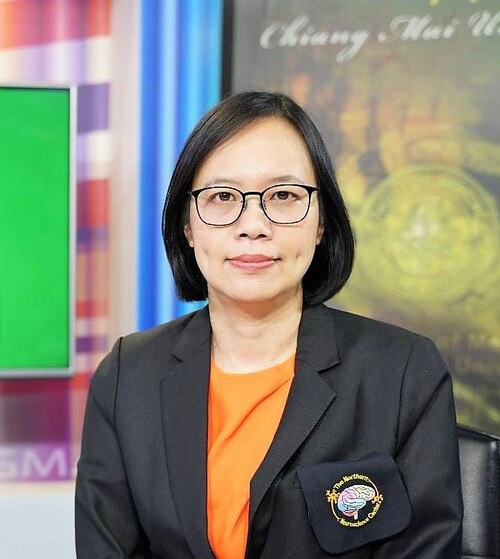
Kamornwan Katanyuwong, MD 🇹🇭
Current Positions
Head, Neurology Division, Department of Pediatrics, Faculty of Medicine, Chiang Mai University, Chiang Mai, Thailand
Lecturer, Faculty of Medicine, Chiang Mai University, Chiang Mai, Thailand
Recent Positions
National Delegate of Thailand to the Asian Oceanian Child Neurology Association (AOCNA) (2022–present)
Secretary-General, Child Neurology Association of Thailand (2024–2027)
Member, Executive Committee, Child Neurology Association of Thailand
Secretary-General, Epilepsy Society of Thailand (2021–present)
Member, Executive Committee, Epilepsy Society of Thailand (2007–present)
Current and Past Roles in ICNA
Member
Personal Statement and Vision for ICNA
In my home country, I serve as Secretary-General of both the Child Neurology Association of Thailand and the Epilepsy Society of Thailand. Together with my Thai colleagues, I had the privilege of hosting the 16th Asian Oceanian Congress of Child Neurology in Bangkok in 2023. Collaborating closely with colleagues across the Asia–Oceanian region strengthened my belief that we share a common commitment to improving care for children with neurological disorders. Since that time, I have continued to serve as the National Delegate of Thailand to the Asian Oceanian Child Neurology Association, actively participating in its academic and educational activities.
The International Child Neurology Association has a long and distinguished history of advancing global collaboration in child neurology. I am deeply committed to contributing to this mission. If elected to a leadership role, I would focus on strengthening ICNA’s teaching and knowledge-sharing networks, ensuring that advances in expertise are translated into meaningful improvements in clinical practice. I am eager to work collaboratively with colleagues worldwide to address the diverse needs of our community and to support ICNA’s vision for improving neurological care for children across all regions.
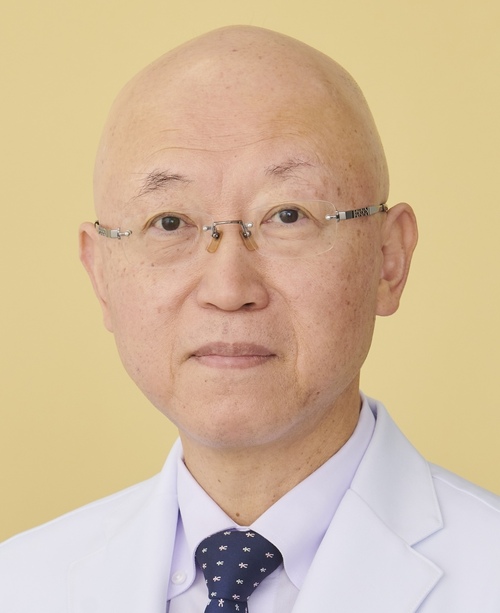 Mitsuhiro Kato, MD, PhD 🇯🇵
Current Positions
Professor of Pediatrics, Showa Medical University School of Medicine, Tokyo, Japan
Head, Epilepsy Medical Center, Showa Medical University Hospital, Tokyo, Japan
Recent Positions
Member, Advocacy Task Force, ILAE Pediatric Commission (2025–present)
Member, Executive Board, Japan Epilepsy Society (2025–present)
Advisor, Committee on Disasters, Japanese Society of Child Neurology (2025–present)
Chairperson, Japanese Society of Child Neurology (2022–present)
Associate Editor, Journal of Human Genetics (2019–present)
Current and Past Roles in ICNA
Member, ICNA Executive Board (2018–present)
Personal Statement and Vision for ICNA
I have served on the ICNA Executive Board since 2018, with a longstanding commitment to supporting countries with limited resources. Since participating in the ICNA-organized educational meeting on epilepsy in Uganda in 2012, contributing to resource-limited regions has been a central priority of my work within ICNA.
In 2023, I initiated the Young Child Neurologist Communication Project, which annually invites young child neurologists from Asian countries to Japan to encourage global perspectives and international engagement. Following ICNC 2024 in Cape Town, I launched a joint initiative with the Bangladesh Child Neurology Society to support the training of child neurologists in Bangladesh. As President of the Japanese Society of Child Neurology, I am committed to linking the capacity and expertise of its members with ICNA initiatives.
If elected to serve on the Executive Board for the 2026–2030 term, I would continue prioritizing support for resource-limited regions and would also focus on three additional areas. First, I aim to further encourage young doctors to pursue careers in child neurology. The growth of the Future Leaders of ICNA program demonstrates the importance of empowering young professionals, whose global engagement will shape ICNA’s future.
Second, I seek to promote both basic and clinical research in child neurology. Clinical practice cannot advance without strong research foundations, particularly given the large number of intractable neurological diseases affecting children. International collaborative research is essential to address these challenges.
Third, I am committed to enhancing the prestige and impact of the Journal of the International Child Neurology Association. JICNA is the official journal of ICNA, supported by the dedicated efforts of Executive Board members, and its standing directly reflects the standing of the Association itself. Strengthening the journal is therefore integral to strengthening ICNA as a whole.
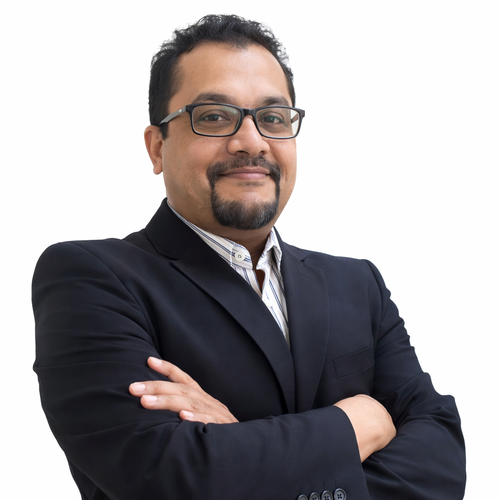 Tajul Arifin Bin Tajudin, MBBS 🇲🇾
Current Positions
Child Neurology Consultant and Pediatric Movement Disorders Specialist, Puteri Specialist Hospital, Johor Bahru, Malaysia
Visiting Consultant, Sultan Ismail Specialist Hospital, Johor Bahru, Malaysia
Honorary Lecturer, Newcastle University, Johor Bahru, Malaysia
Recent Positions
Member, Royal College of Paediatrics and Child Health, England (2007–present)
Advisor, AES@Autoimmune-Encephalitis.org
Working Member, International Consortium for the Research on Alternating Hemiplegia of Childhood

Current and Past Roles in ICNA
Member
Personal Statement and Vision for ICNA
I am a child neurologist with a strong clinical, academic, and humanitarian background, deeply committed to advancing pediatric neurology globally, particularly in the field of movement disorders. The mission of the International Child Neurology Association to improve neurological health outcomes for children, especially in underserved regions, closely aligns with my professional values and long-standing efforts.
Throughout my career, I have consistently extended my work beyond routine clinical practice, focusing on underserved and disadvantaged populations. I have led and participated in numerous pro bono clinics in less-developed regions, providing comprehensive neurological evaluations, individualized treatment plans, and long-term follow-up for children without access to specialist care. These experiences have highlighted global inequities in pediatric neurology, particularly in the diagnosis and management of movement disorders, and have reinforced my commitment to sustainable, community-driven solutions centered on education and capacity building.
Alongside clinical outreach, I have regularly organized and delivered educational workshops for local healthcare providers, pediatricians, and medical trainees in resource-limited settings. These workshops emphasize practical, evidence-based approaches to diagnosing and managing common neurological conditions, with particular focus on movement disorders and early recognition of neurological disease in children. A key element of this work is fostering interdisciplinary collaboration and raising awareness among non-neurologist healthcare professionals. I believe empowering frontline clinicians with essential neurological knowledge is one of the most effective strategies for improving pediatric neurological care in underserved communities, and this approach aligns closely with ICNA’s core mission.
My academic activities include collaborative research, regular teaching sessions, peer-reviewed publications, and presentations at international conferences. I am committed to promoting evidence-based practice in pediatric neurology, particularly for movement disorders in regions where specialist expertise is limited. I view ICNA as a vital platform for advancing global collaboration, clinical standards, and meaningful knowledge exchange to improve outcomes for children worldwide.
If elected to a leadership role, I would bring a collaborative approach and strong sense of responsibility to ICNA’s governance. My priorities would include strengthening ICNA’s outreach initiatives, expanding educational programs, and further developing activities in pediatric movement disorders. I believe my clinical experience, global engagement, and commitment to advocacy equip me to contribute meaningfully to ICNA’s long-term vision.
I have actively contributed to international education through live teaching sessions with neurology teams in Bangladesh, including a two-day seminar and clinic in June 2025, with a further visit planned for March 2026. I also lead thrice-weekly pediatric neurology case discussions with a hospital in Himachal Pradesh, India, which I will visit in 2026. Planned visits to Nepal and Batam, Indonesia share the same aim of advancing pediatric neurology education and care. All these initiatives have been undertaken without financial remuneration. Within Malaysia, I participate in monthly pediatric neurology teaching programs and lead regular movement disorder case discussions.
I have organized the inaugural and two subsequent Pediatric Movement Disorder Symposia in Malaysia, with support from Professor Jonathan Mink and Professor Russell Dale, who played key roles in establishing and guiding these meetings.
I believe my sustained commitment to education, collaboration, and service positions me well to serve ICNA. I am eager to contribute my experience, passion, and collaborative spirit to the Association and appreciate consideration of my application.
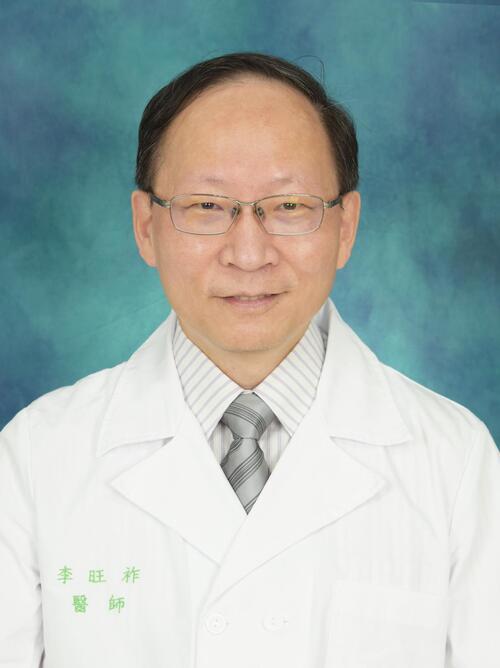 Wang-Tso Lee, MD, PhD 🇹🇼
Current Positions
Superintendent, National Taiwan University Children’s Hospital, Taipei, Taiwan
Chairman and Professor, Department of Pediatrics, National Taiwan University Hospital, Taipei, Taiwan
Professor, School of Medicine and Graduate Institute of Brain and Mind Sciences, College of Medicine, National Taiwan University, Taipei, Taiwan
President-Elect, Asian and Oceanian Child Neurology Association
Recent Positions
President, Taiwan Child Neurology Society (2020–2023)
Standing Director, Taiwan Child Neurology Society (2011–2014; 2017–2020; 2022–2024)
Secretary General, Taiwan Child Neurology Society (2002–2008; 2014–2017)
Director, Taiwan Epilepsy Society (2023–2024)
Current and Past Roles in ICNA
Member, ICNA Executive Board (2022–present)
Congress Chairman, 19th International Child Neurology Congress (ICNC 2026), Taipei, Taiwan
Personal Statement and Vision for ICNA
To provide better services for children with neurological disorders worldwide, the International Child Neurology Association should continue to serve as a central platform for sharing knowledge among professionals from diverse countries and healthcare systems. ICNA should actively promote educational initiatives that support the development of treatment guidelines, clinical diagnostic algorithms, and research activities at different levels.
As a first-term member of the ICNA Executive Board, I have worked collaboratively with colleagues to promote ICNA activities across regions. To ensure a strong future for ICNA, we must further facilitate research and clinical collaboration among different parts of the world, with particular emphasis on supporting and engaging the younger generation of child neurologists.
To achieve ICNA’s mission, it is also important to expand membership and encourage active participation from existing members across countries and regions. As a leading global organization in child neurology, ICNA should strengthen meaningful partnerships with other international non-governmental organizations working for children, in order to improve neurological care and create a better future for children worldwide.
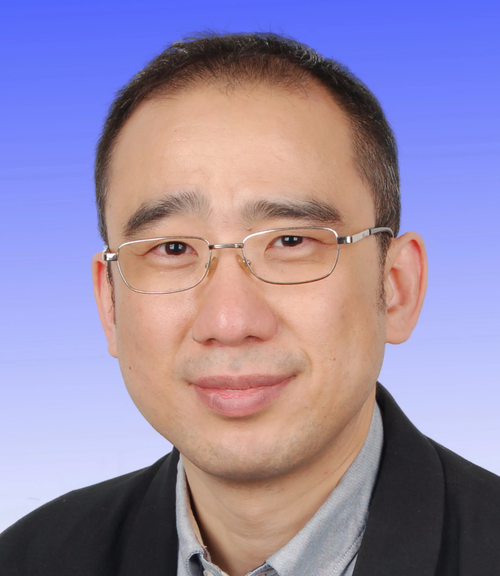 Yuwu Jiang, MD, PhD 🇨🇳
Current Positions
Professor, Division of Pediatric Neurology, Department of Pediatrics, Peking University First Hospital, Beijing, China
Chair, Children’s Medical Center, Peking University First Hospital, Beijing, China
Director, Pediatric Epilepsy Center, Peking University First Hospital, Beijing, China
Recent Positions
Chair, Department of Pediatrics, Peking University First Hospital, Beijing, China (2012–2023)
Chair, Chinese Association of Pediatric Neurologists (CAPN) (2015–present)
Vice Chair, Chinese Association Against Epilepsy, China (2019–present)
Member, ILAE Terminology Commission (2022–present)
Member, ILAE Medical Therapy in Children Task Force, Pediatrics Commission (2022–present)
Current and Past Roles in ICNA
Member, ICNA Executive Board (2022–present)
Secretary General, Joint Congress of the 9th International Child Neurology Congress (ICNC) and 7th Asian and Oceanian Congress of Child Neurology (AOCCN), Beijing, China
Personal Statement and Vision for ICNA
From 2014 to 2022, I served as a co-opted member of the ICNA Executive Board. In 2023, I was elected as an official Executive Board member for the 2023–2026 term.
As a dedicated child neurologist, I regard the International Child Neurology Association as a vital global platform for advancing child neurology through education, collaboration, and advocacy. I am deeply committed to contributing to ICNA’s mission. A key focus of my work is to unite and strengthen the child neurology community in China, promote the development of the specialty nationally, and expand ICNA’s influence within the country.
Looking ahead, my goal is to lead China’s child neurology societies toward closer integration with the ICNA community, fostering stronger international collaboration and ultimately improving neurological care for children across China.
 Marie-Cécile Nassogne, MD, PhD 🇧🇪
Current Positions
Head, Pediatric Neurology Unit, Cliniques universitaires Saint-Luc – UCLouvain, Brussels, Belgium (2006–present)
Council Member, Society for the Study of Inborn Errors of Metabolism (SSIEM) (1997–present)
Member, Belgian Society of Pediatric Neurology (BSPN) (2002–present)
Member, European Paediatric Neurology Society (EPNS) (2003–present)
Member, MetabERN and Metabolics Network (2010–present)
Current and Past Roles in ICNA
Deputy Treasurer, International Child Neurology Association (ICNA) (2024–present)
Personal Statement and Vision for ICNA
I am a pediatric neurologist and Head of the Pediatric Neurology Unit at Cliniques universitaires Saint-Luc in Brussels. My primary clinical and research interests are in neurometabolic and neurodegenerative disorders, as well as neurodevelopmental pathologies.
Through my clinical and academic leadership roles, I have gained extensive experience in managing multidisciplinary teams, coordinating teaching activities, and contributing to international collaborations in pediatric neurology.
I have co-authored 145 peer-reviewed publications between 1995 and 2025, mainly in the fields of pediatric neurology, neurometabolic and neurodegenerative disorders, and neurodevelopmental conditions.
My principal scientific contributions include:
- Advancing the understanding of neurometabolic and neurodegenerative diseases in children
- Investigating molecular and cellular mechanisms underlying neuronal apoptosis and neurodevelopmental disorders
- Active participation in European Reference Networks for rare and metabolic diseases (MetabERN)
- Promoting international collaboration, education, and clinical excellence in pediatric neurology
I have served as Deputy Treasurer of the ICNA since 2024 and am now standing for election to the position of Treasurer.
 Biju Hameed, FRCPCH, PhD 🇬🇧
Current Positions
Consultant in Paediatric Neurology, Dementech Neurosciences, London, UK
Consultant in Paediatric Neurology and Head of Paediatric Neurosciences, Danat Al Emarat Women & Children’s Hospital, Abu Dhabi, UAE
Recent Positions
Consultant in Paediatric Neurology, Great Ormond Street Hospital, London, UK (2019–2022)
Consultant in Paediatric Neurology, Bristol Children’s Hospital, Bristol, UK (2016–2019)
Current and Past Roles in ICNA
Principal Architect and Developer, ICNApedia.org
Co-founder and Co-Program Director, International Child Neurology Teaching Network (ICNTN)
Member, ICNA Executive Board (2022–present)
Chair, Education and Technology Committee
Editor, ICNApedia
Managing Editor, Journal of the International Child Neurology Association
Personal Statement and Vision for ICNA
The International Child Neurology Association was founded in 1973 with a clear purpose: to advance education, research, and care for children with neurological disorders worldwide. I have been privileged to be part of ICNA’s journey for more than two decades, and my vision for the coming four years is shaped by this long association, a deep respect for ICNA’s traditions, and a forward-looking view of where the organization should go next.
At its core, ICNA is a community of clinicians, educators, and researchers. One of my key priorities is to further strengthen ICNA as a trusted global source of child neurology knowledge. Through ICNApedia, the Journal of ICNA, the International Child Neurology Teaching Network, and ICNA Press, we already have strong foundations. My aim is to consolidate and enhance these platforms so they remain reliable, practical, and accessible to colleagues working in diverse clinical and resource settings.
In parallel, I am developing child-neurology.org as a complementary knowledge and learning environment. This initiative is not intended to compete with ICNA, but rather to support and amplify its mission by hosting structured educational content, preserving the history of child neurology, encouraging professional discussion, and linking closely with ICNA initiatives and resources.
Education and training have always been among ICNA’s greatest strengths. Over the next four years, I would like to see the International Child Neurology Teaching Network evolve into a more structured, modular, and recognisable learning pathway, while retaining the traditional values of mentorship, clinical reasoning, and peer learning. Digital tools can extend our reach, but the essence of teaching must remain personal, clinically grounded, and human.
Research is another area in which ICNA can make a distinctive contribution. By supporting initiatives such as GBOD grants, collaborative research portals, and visibility through the Journal of ICNA, the Association can empower colleagues, particularly in resource-limited settings, to participate meaningfully in research that improves outcomes for children. My focus is on enabling collaboration, mentorship, and ethical, context-appropriate research rather than creating unnecessary barriers.
ICNA’s advocacy role is becoming increasingly important. Engagement with global initiatives such as the World Health Organization’s Intersectoral Global Action Plan demonstrates how ICNA can influence policy and practice. I believe we can build on this by supporting regional advocacy efforts and developing carefully curated public-facing educational resources, using trusted digital platforms to reach clinicians, policymakers, and communities.
Strong governance, continuity, and operational capacity are essential. In recent years, the ICNA Home Office has matured into a functional administrative hub, now supported by dedicated staff who provide continuity between Executive Boards and preserve organisational memory. This foundation positions ICNA well to deliver major activities and complex events, including the International Child Neurology Congresses, with increasing professionalism and reliability.
Much of my work within ICNA has focused on building and maintaining the digital and administrative infrastructure that supports education, membership, elections, and congresses. I see it as my responsibility to help ensure that these systems continue to evolve in a transparent, sustainable, and scalable manner as ICNA grows.
In summary, my vision is one of continuity with purpose: strengthening what ICNA already does well, embracing technology thoughtfully, and keeping the needs of children and families at the centre of everything we do. I would be honoured to continue serving ICNA and its members over the next four years.
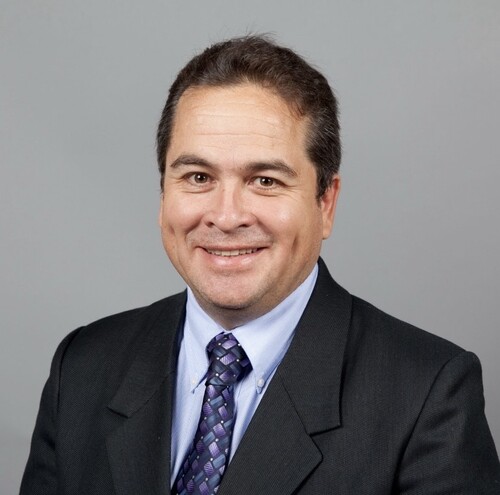 Alcy R. Torres, MD 🇺🇸
Current Positions
Professor of Pediatrics and Neurology, Boston Medical Center, Boston University Chobanian & Avedisian School of Medicine, Boston, MA, USA
Director of the Pediatric Brain Injury Program, Boston Medical Center, Boston, MA, USA
Recent Positions
Assistant Dean, Diversity and Inclusion, Boston University Chobanian & Avedisian School of Medicine
Chairman, Communications and Membership, Section of International Health (SOGH), American Academy of Pediatrics (2018–present)
Director, Guidelines Review Committee, Ibero-American Pediatric Neurology Association (AINP) (2022–present)
Associate Editor, Pediatric Neurology (2025–present)
Associate Editor, MedLink (Pediatric Neurology) (2022–2025)
Current and Past Roles in ICNA
Member
Director, Pediatric Neurology, Neuropsychology and Neurodevelopment Course, Quito, Ecuador (2018, 2019, 2020)
Member, Nominations Committee (2019–2022)
Member, Scientific Committee, ICNC 2024
Personal Statement and Vision for ICNA
My vision for the ICNA is deeply influenced by my personal and professional journey, growing up in Ecuador and training in Latin America before specializing at Harvard Medical School and Boston Children’s Hospital. This dual experience has given me a unique perspective on disparities in neurological care and the power of global collaboration to bridge them.
I envision an ICNA that continues to break down geographical barriers through robust, structured education. As Director of the ICNA TBI Certification Course, I have seen the strong demand for high-quality, accessible specialized training. I aim to expand this model by leveraging our global network of experts to create additional certification opportunities that empower clinicians in both resource-rich and resource-limited settings.
As we advance scientifically, we must also strengthen our commitment to the “care” in healthcare. Through the NAMASTE project, I have promoted humanism in child neurology. My vision includes integrating humanistic principles into technical training, ensuring that the next generation of child neurologists is as compassionate as it is skilled.
Finally, I am committed to strengthening global mentorship. Having mentored many young physicians and researchers across five continents, I see mentorship as essential to the sustainability of our specialty. Drawing on my experience reviewing grants for ICATCH and leading communications for the AAP Section on Global Health, I plan to foster programs that connect emerging talent with established leaders, advancing research and clinical excellence worldwide. I am fully committed to developing these initiatives so that ICNA remains the premier global advocate for children with neurological disorders.
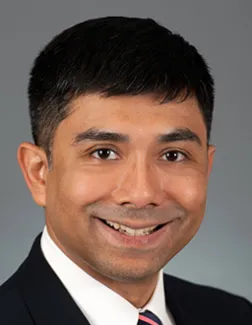 Ganeshwaran (Ganesh) H. Mochida, M.D., M.M.Sc., Ph.D. 🇺🇸
Current Positions
Principal Investigator and Attending Physician, Division of Genetics and Genomics, Boston Children’s Hospital, Boston, MA, USA
Attending Physician, Division of Pediatric Neurology, Massachusetts General Hospital, Boston, MA, USA
Assistant Professor of Pediatrics, Harvard Medical School, Boston, MA, USA
Recent Positions
Member, Scientific Program and Planning Committee, Child Neurology Society (2003–2010; 2017–2022)
Consultant and Content Expert (Congenital Zika Virus Infection), World Health Organization (2016–2017)
Member and Advisor, Globalization Committee, Japanese Society of Child Neurology (2016–present)
Current and Past Roles in ICNA
Member
Member, Research Committee (2010–2014)
Personal Statement and Vision for ICNA
My goals as an ICNA Executive Board Member are focused on advancing global collaboration, education, and capacity building in child neurology.
First, I aim to facilitate international research collaboration and capacity building in resource-limited countries. Child neurology encompasses many rare disorders, and global collaboration is essential to advance diagnosis and treatment. I have extensive experience in international clinical and basic research collaborations in resource-limited settings across the Middle East, North Africa, Asia, and South America. This background positions me well to help develop infrastructure that fosters meaningful cooperation among ICNA members.
Second, I am committed to educating and building networks for the next generation of child neurologists worldwide. As an advisor to the Japanese Society of Child Neurology, I have contributed to the development of a network of young pediatric neurologists from Japan and other Asian countries, an initiative conceived by ICNA board member Dr. Mitsuhiro Kato. Building on this experience and the Future Leaders of the ICNA program, I intend to further engage, support, and educate emerging child neurologists to ensure continued growth in child neurology care and research globally.
In summary, I bring a combination of scientific expertise, international experience, and strong commitment to service. I am motivated to contribute as an ICNA Executive Board Member and to support the continued growth of ICNA as a truly global organization serving its members regardless of country of origin.
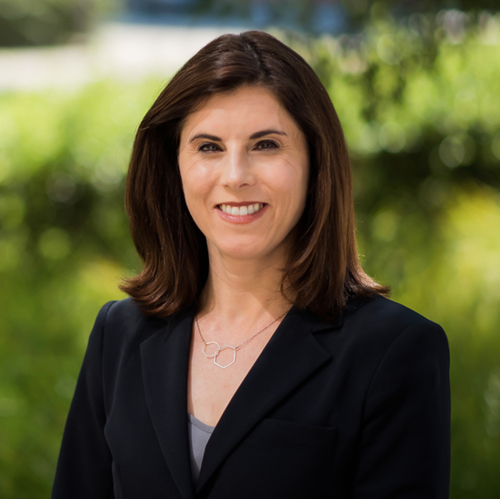 Hannah C. Glass, MDCM, MAS 🇺🇸
Current Positions
Professor of Clinical Neurology, School of Medicine, University of California, San Francisco, San Francisco, CA, USA
Professor of Pediatrics, University of California, San Francisco, San Francisco, CA, USA
Professor of Epidemiology and Biostatistics, University of California, San Francisco, San Francisco, CA, USA
Director, Neonatal Neurocritical Care Services, University of California, San Francisco, San Francisco, CA, USA
Recent Positions
Director, UCSF TL1 Predoctoral Yearlong Inquiry Program, University of California, San Francisco (2022–2025)
Member, Board of Directors, Pediatric Academic Societies (2021–present)
Director of Membership, Society for Pediatric Research (2018–2023)
Director of Membership and Member, Board of Directors, Newborn Brain Society (2019–2023)
Member, Pediatric Academic Societies Annual Meeting Program Committee (2008–2018)
Member, International Newborn Brain Conference Scientific Committee (2021–present)
Current and Past Roles in ICNA
Member
Invited Speaker
Personal Statement and Vision for ICNA
I have been an ICNA member since 2011 and have presented both submitted and invited research at several International Child Neurology Congresses, including meetings in Montréal, Cairo, Mumbai, San Diego, Antalya, and Cape Town. My extensive experience in serving medical societies reflects my commitment to the academic and scientific community. My previous service includes roles as Membership Director for the Society for Pediatric Research and the Newborn Brain Society, member of the Board of Directors of the Pediatric Academic Societies Annual Meeting, and member of Scientific Planning Committees for the International Newborn Brain Conference and the Pediatric Academic Societies. I hope to contribute a strong background in leadership, clinical research, and service to the ICNA.
Over the past decade, there have been rapid advances in neurological care for children, including expanded access to genetic testing, advanced brain imaging, and precision therapies for rare diseases. However, many countries still lack access to these specialized diagnostic tools and treatments. This has resulted in increasing inequities in understanding local epidemiology, clinical manifestations, and treatment options for neurological conditions affecting children worldwide.
As a member of the ICNA Executive Board, my overarching goal is to reduce inequities in the treatment and outcomes of neurological conditions affecting children globally through education and support for local research programs. To achieve this, I plan to work closely with the Scientific Committee to better understand the educational needs of ICNA members and to help design meetings with strong content that supports career development, as well as clinical research and quality improvement skills.
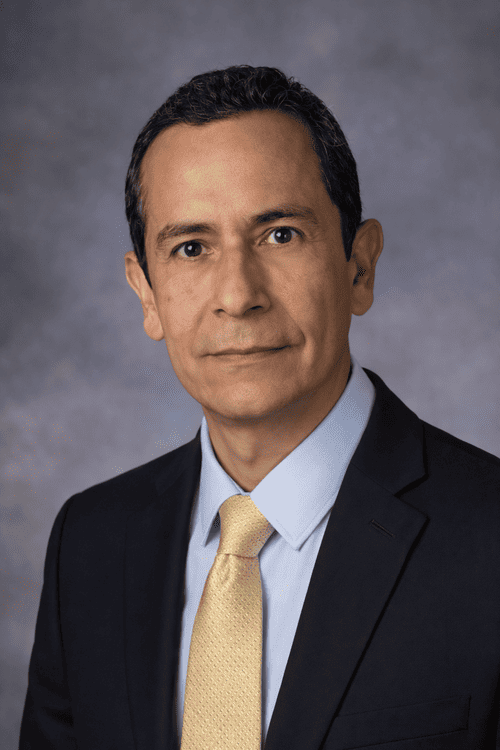 Jorge Vidaurre, MD 🇺🇸
Current Positions
Professor of Pediatrics, The Ohio State University College of Medicine, Columbus, OH, USA
Director, Pediatric Clinical Neurophysiology Program, Nationwide Children’s Hospital, Columbus, OH, USA
Director, EEG Laboratory, Nationwide Children’s Hospital, Columbus, OH, USA
Recent Positions
Counselor from the West, Board of Directors, Child Neurology Society (2025–present)
Chair, Global Health International Special Interest Group, American Epilepsy Society (2022–2023)
Chair, International Affairs Committee, Child Neurology Society (2015–2023)
Chair, Education Task Force, International League Against Epilepsy (2021–2025)
Current and Past Roles in ICNA
Member
Member, Scientific Committee, ICNC 2026
Member, Nominations Committee (2019–present)
Personal Statement and Vision for ICNA
Dr. Vidaurre has held multiple leadership roles in national and international professional organizations, including Chair of the Education Task Force for the International League Against Epilepsy (ILAE) and International Education Advisor for the International Child Neurology Association (ICNA). From 2015 to 2023, he served as Chair of the International Affairs Committee of the Child Neurology Society. During this period, long-term collaborations between ICNA and CNS were established, leading to international outreach and educational training programs across Africa, Asia, Latin America, and the Caribbean. He has also served on multiple ICNA–CNS scientific committees.
Dr. Vidaurre is deeply engaged in international collaborative initiatives and has extensive experience designing and implementing educational and training programs in resource-limited settings. With ongoing support from ICNA and CNS, he has contributed to infrastructure-building efforts, including the establishment of EEG laboratories and the training of EEG technologists. As Chair of the ILAE Education Task Force, he is currently developing a practical, interactive basic EEG curriculum in Spanish for implementation across Latin American countries.
He is actively collaborating with neurosurgical teams from Johns Hopkins Hospital and Florida on initiatives aimed at developing epilepsy surgery programs in El Salvador, Central America.
Dr. Vidaurre serves in multiple leadership and advisory roles within national and international societies. He is a member of the Executive Board and Scientific Committee of the Ibero-American Child Neurology Association. His previous and current roles include Regional Leader for Latin America and member of the ILAE Global Task Force; Chair of the Global Health Special Interest Group; member of the Scientific Program Committee of the American Epilepsy Society; and member of both the Advocacy Committee and the Clinical Research Committee of the American Clinical Neurophysiology Society.
In recognition of his contributions, Dr. Vidaurre received the 2022 Gold Humanism Award from the Child Neurology Society and was named a Top USA Doctor by Castle Connolly for 2023–2026.
Dr. Vidaurre has authored numerous peer-reviewed publications and has extensive editorial experience. His research interests focus on pediatric epilepsy and global health. His work on reducing administration time for second-line therapy in status epilepticus was among the first to highlight the importance of quality improvement initiatives in neurological emergencies. He also contributed to the development of the BASED score (2021), now used nationally and internationally to evaluate treatment response in children with infantile spasms. In addition, he has published widely on global child neurology and the importance of collaboration between high- and low-income countries. He currently serves as an advisor on the NIH international “Center Without Walls” grant focused on antiepileptogenesis following traumatic brain injury.
Dr. Vidaurre has delivered more than 130 international lectures and has been an invited speaker at over 20 national conferences. He participates in the Professional Development Mentorship Program of the American Clinical Neurophysiology Society and the Fellow–Mentor Program of the American Epilepsy Society. A central goal of his academic career has been the mentoring and education of future generations of child neurologists.
As an ICNA board member, Dr. Vidaurre would support and promote:
- Active participation of young professionals from diverse world regions in society committees and projects
- Multisociety collaborative initiatives to improve child neurology care in resource-limited settings
- International educational and training programs
- Projects aimed at improving infrastructure in low-resource regions
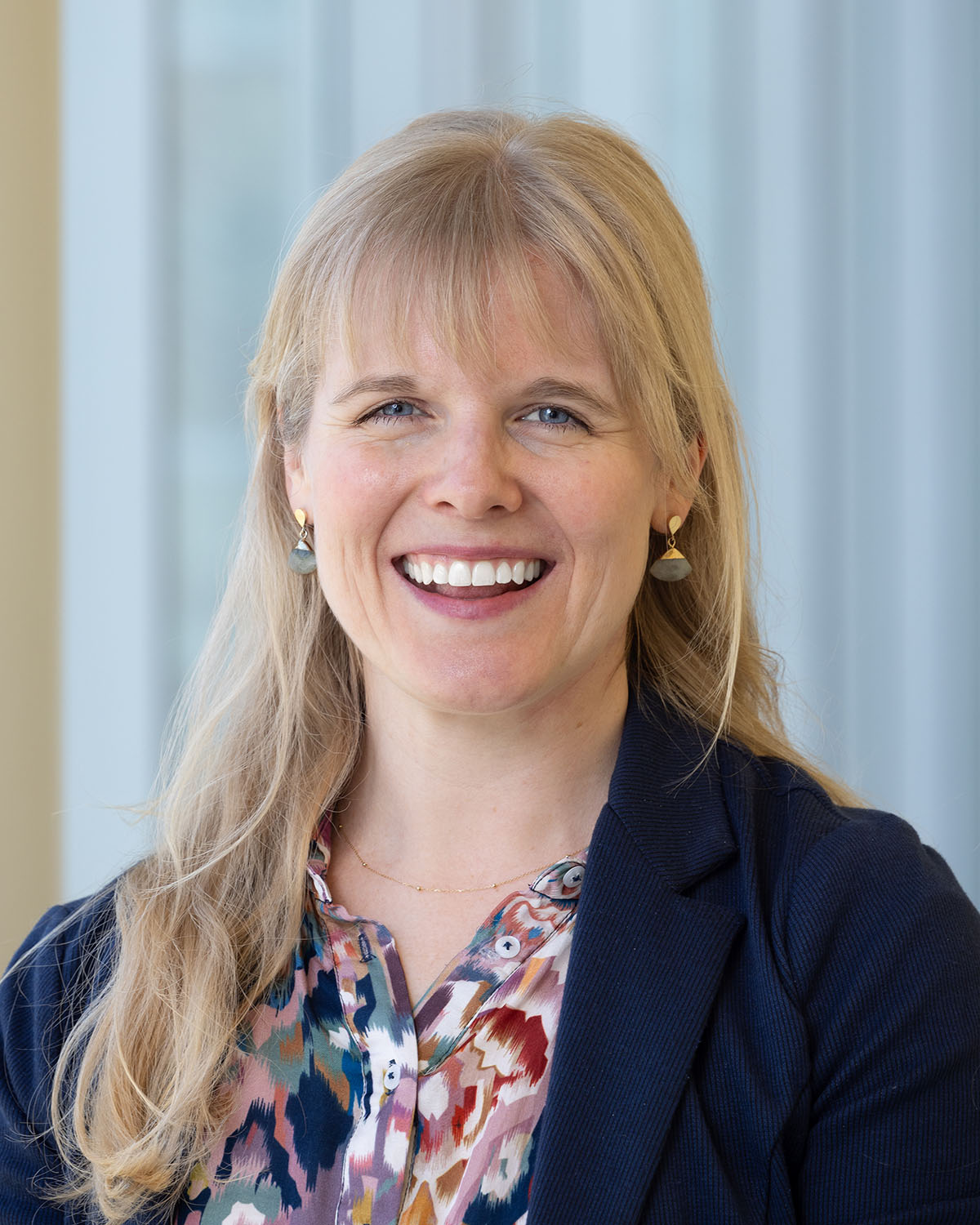 Lauren Treat, MD 🇺🇸
Current Positions
Associate Professor of Pediatrics, Sections of Neurology and Palliative Medicine, University of Colorado School of Medicine, Aurora, CO, USA
Recent Positions
Founding Member and Clinical Committee Vice Chair, International Neuropalliative Care Society (2021–present)
Co-founder and Organizer, Pediatric Neuropalliative Medicine Quarterly Working Group (2022–present)
Current and Past Roles in ICNA
Member
Personal Statement and Vision for ICNA
Dr. Treat completed medical school at the Mayo Clinic in Rochester, Minnesota, and pursued residency and fellowship training in Child Neurology and Hospice and Palliative Medicine at the University of Colorado. She has been in active clinical practice as a faculty member at Children’s Hospital Colorado since 2019, where she also serves as Co-Director of Faculty Wellbeing within the Section of Neurology. She practices general child neurology and is a pioneer in pediatric neuropalliative medicine, an emerging subspecialty that supports children with serious illness and their families by improving understanding of health, personal values, and future medical decisions. She has been an invited grand rounds speaker at more than 15 institutions nationally, including the National Institutes of Health, and has published numerous papers and book chapters on integrating pediatric neuropalliative medicine into contemporary practice. She also works closely with several family foundations, including the Courageous Parents Network and Parent Project Muscular Dystrophy.
Dr. Treat has been an active participant and lecturer at previous International Child Neurology Congresses in Antalya and Cape Town, delivering four educational sessions with international collaborators across the two meetings. She is a founding member of the International Neuropalliative Care Society and currently serves as its Clinical Committee Vice Chair. These experiences have reinforced the value of international perspectives in neurology and demonstrated the impact that dedicated global collaboration can have on advancing clinical care, education, and advocacy. Within the United States, she has served multiple terms on the Undergraduate Education Subcommittee of the American Academy of Neurology and was recognized as an Emerging Leader by the American Academy of Hospice and Palliative Medicine, as well as receiving the Gold Foundation Humanism in Child Neurology Award through the Child Neurology Society in 2025.
While ICNC meetings provide opportunities to discuss innovation and scientific advances, some of the most meaningful sessions address real-world challenges such as resource allocation and the profound impact of neurological disease in early life. Dr. Treat’s clinical and educational focus on supporting patients and families facing life-threatening neurological conditions uniquely positions her to contribute depth and perspective to future ICNA initiatives. As an ICNA board member, she would actively support neurology education and the organizational mission, promote engagement and opportunity across the international child neurology community, and build on the strong foundation of ICNA leadership and infrastructure to advance child neurology practice in an increasingly complex modern era.
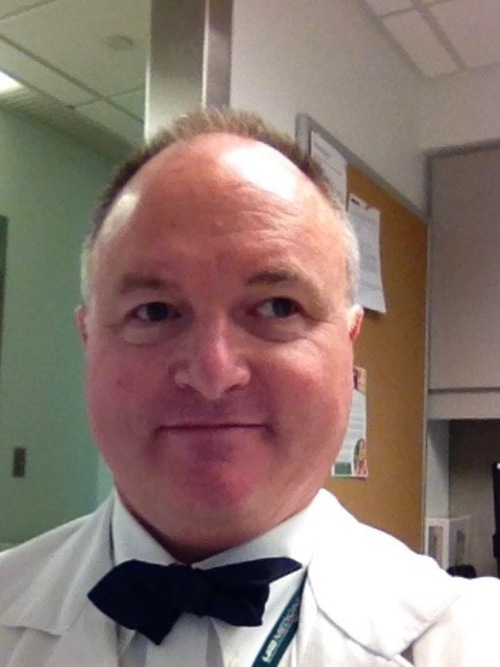 Leon Dure, MD 🇺🇸
Current Positions
Bew White Professor of Child Neurology, Department of Pediatrics, The University of Alabama at Birmingham, Birmingham, AL, USA
Division Director, Child Neurology, The University of Alabama at Birmingham, Birmingham, AL, USA
Recent Positions
President, Professors of Child Neurology, Child Neurology Society (2008–2010)
Councilor, Executive Committee, Child Neurology Society (2004–2006)
Chair, Scientific Selection Committee, Child Neurology Society (1997–1999)
Current and Past Roles in ICNA
Member
Personal Statement and Vision for ICNA
I consider myself a relatively latecomer to the ICNA. Although I became a member some years ago, my first direct participation in an ICNA meeting was in Mumbai, where I organized a panel with colleagues specializing in movement disorders. That meeting was eye-opening and transformed what had previously been a vague interest into a strong desire to engage more fully with this remarkable organization. I clearly recall Professor Pauline Samia describing her work in Kenya, caring for a large population with limited resources. Her experiences became important teaching points for my colleagues and trainees in the United States and underscored the wide diversity of child neurology practice worldwide.
This experience reinforced for me that, while child neurology in the United States and Europe increasingly emphasizes advanced diagnostics and therapeutics, many regions of the world still depend heavily on the fundamentals of clinical care—careful history-taking, thorough neurological examination, and a strong grounding in neurophysiology. The ICNA’s mission to advance knowledge, care, and advocacy for children globally, with sensitivity to these differing contexts, is therefore of great importance and one that I strongly support.
Since Mumbai, I have remained engaged in educational activities at subsequent ICNC meetings, contributing to sessions on topics such as functional disorders and movement disorders. Through programs with the American Academy of Neurology, I have also participated in educational initiatives in Ecuador, including the inaugural meeting of Ecuadorian pediatric neurologists. I have a particular affinity for Central and South America, supported by my proficiency in Spanish and my six years of service as a consulting neurologist to the Venezuela Huntington’s Disease Project. If elected to the ICNA Board, I would hope to further develop educational activities and collaborations in this region.
In summary, I believe I have the experience, perspective, and motivation to contribute meaningfully to the work of the ICNA. I would be honored to serve on the Board and sincerely appreciate the opportunity to be considered as a candidate.
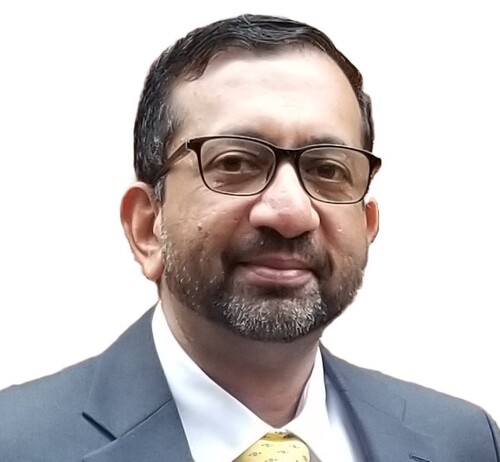 Mahendranath Moharir, MD, MSc, FRACP 🇨🇦
Current Positions
Professor, Department of Pediatrics, Faculty of Medicine, University of Toronto, Toronto, ON, Canada
Medical Director, Division of Neurology, The Hospital for Sick Children, Toronto, ON, Canada
Clinical Director, Stroke Program, Division of Neurology, The Hospital for Sick Children, Toronto, ON, Canada
Recent Positions
Interim Division Head, Division of Neurology, Department of Paediatrics, The Hospital for Sick Children
Associate Editor, Section of Pediatric Neurology, Canadian Journal of Neurological Sciences (2015–2024)
Current and Past Roles in ICNA
Member
Member, Scientific Planning Committee, ICNC 2012
Member, Scientific Planning Committee, ICNC 2024
Personal Statement and Vision for ICNA
Attending ICNC meetings has been an exceptional academic experience for me. The biennial congresses offer a balanced blend of bedside and bench advances and provide invaluable networking opportunities with leaders and stakeholders in child neurology. I am proud to note that I have not missed a single ICNC since 2010. Beyond attending as a delegate, I have actively contributed to every congress through invited lectures, organization of special interest groups, chairing symposia and platform sessions, and leading poster tours.
Key contributions include Pediatric Stroke Imaging (Parallel Symposium, Mumbai 2018); Acute Pediatric Neurology in the Inpatient Setting Across the Globe—Can One Size Fit All? (Parallel Symposium, San Diego 2020); CSF Circulation Disorders (Parallel Symposium, Antalya 2022); Pediatric Neurohospitalist Medicine (SIG, Antalya 2022); Pediatric–Adult Neurology Transitions (SIG, Cape Town 2024); and Pediatric Stroke: A Healthcare Systems Approach (Special Topic Session, Taipei 2026).
I would like to emphasize my commitment to ICNA by noting that I chose to attend the ICNC in Taipei rather than the concurrently scheduled International Pediatric Stroke Organization conference, despite being a founding member of IPSO. A major highlight of my contributions to ICNA has been leading the recently completed Pediatric Stroke module for the ICNTN, which is expected to launch in 2026. I am grateful to the ICNA leadership for the confidence placed in me to lead this initiative and for the opportunity to mentor an early-career faculty member as a co-lead.
My pediatric neurology training across Asia, Australasia, and North America has provided me with a broad perspective on the strengths, challenges, and opportunities in child neurology worldwide. Given ICNA’s mission to improve care for children with neurological conditions globally, I believe I bring a strong understanding of diverse healthcare systems and practice environments. I am deeply committed to mentoring and educating the next generation of child neurologists through the ICNA platform.
If elected to the Executive Board, I will actively contribute to advancing ICNA’s mission by supporting Board activities, assisting with the organization of scientific meetings and CME events, mentoring early-career members and trainees, contributing to JICNA activities, and fostering international collaboration in clinical care, education, and research. I have reviewed the ICNA constitution and bylaws regarding Executive Board service and agree to abide by them if elected.
In closing, I am honored to apply for membership on the ICNA Executive Board. I believe my experience and commitment position me well to contribute meaningfully to this prestigious organization and I would be pleased to provide any additional information if required.
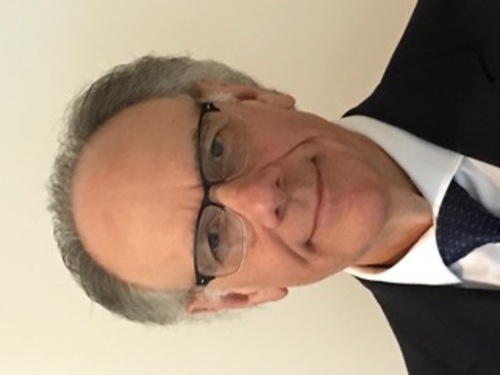 Mark Scher, MD 🇺🇸
Current Positions
Emeritus Scholar and Tenured Full Professor of Pediatrics and Neurology, Case Western Reserve University School of Medicine, Cleveland, OH, USA
Recent Positions
Chief of Pediatric Neurology, Department of Pediatrics, University Hospitals Cleveland Medical Center, Cleveland, OH (1997–2019)
Director, Fetal and Neonatal Neurology Program, Department of Pediatrics, University of Pittsburgh Magee-Women’s Hospital (1983–1997)
Director, Fetal and Neonatal Neurology Program, Department of Pediatrics, University Hospitals Cleveland Medical Center at Rainbow Babies and Children’s Hospital and MacDonald Hospital for Women, Cleveland, OH (1997–2019)
Director, Pediatric Neurological Disorders Center, The Neurological Institute, Rainbow Babies and Children’s Hospital, Cleveland, OH (1997–2019)
Member, Executive Committee, Section on Neurology, American Academy of Pediatrics (2005–2008)
Secretary and Treasurer, Child Neurology Foundation (2009–2012)
Member, Education Committee, Newborn Brain Society (2021–2024)
Member, Steering Committee, Newborn Brain Society (2024–present)
Current and Past Roles in ICNA
Member
Personal Statement and Vision for ICNA
Dr. Scher’s training in fetal and neonatal neurology began during his undergraduate education at the University of Rochester (1968–1972), followed by medical school at SUNY Downstate (1972–1976). He completed pediatric residency training at Cornell/New York Hospital (1976–1978), neurology and pediatric neurology fellowship training and clinical neurophysiology fellowship training at the University of Minnesota (1978–1981), and a neonatal neurology research fellowship at Stanford University (1981–1983).
His academic career began at the University of Pittsburgh (1983–1997) as a member of the Neonatology Division at Magee-Women’s Hospital, where fetal and neonatal neurology consultations were offered, while also participating in the Pediatric Neurology Division at Children’s Hospital of Pittsburgh. As Division Chief of Pediatric Neurology at Rainbow Babies and Children’s Hospital (1997–2017), he expanded fetal and neonatal neurology activities and established programs in pediatric neurology, neonatal–pediatric neurocritical care, epilepsy, and sleep medicine. He transitioned to Emeritus Scholar and Professor at Case Western Reserve University in 2020.
Dr. Scher continues to participate in U.S.-based and international collaborative research, educational, and advocacy initiatives, including a recent brain health initiative at Case Western Reserve University. His work emphasizes diagnostic algorithms that distinguish health and disease pathways based on women’s reproductive and pregnancy health and their influence on a child’s life-course brain health. This framework incorporates the dynamic neural exposome, beginning before conception and extending across the lifespan. His educational contributions to fetal and neonatal neurology training apply principles of developmental neuroplasticity to transdisciplinary brain health care across the lifespan, with a focus on intersectionality to improve global life-course brain health.
He contributes to a United Council of Neurological Subspecialties committee that developed a certification examination with annual updates in neonatal neurocritical care. Building on an initial NIH training grant in developmental chronobiology, his research has included longitudinal visual and digital EEG and sleep studies as biomarkers of brain maturation and organization. Prospective studies have addressed healthy preterm and full-term neonatal comparisons, treatment efficacy for EEG-confirmed neonatal seizures, effects of prenatal substance exposure and maternal depression on preterm survivors, and the impact of skin-to-skin contact on brain maturation. His interdisciplinary collaborations have included 13 NIH-supported studies, six as principal or co-principal investigator, authorship of 214 peer-reviewed publications, and 46 book chapters. Since transitioning to his Emeritus position, he has continued to deliver numerous webinars and invited presentations.
Dr. Scher seeks to contribute more than 50 years of experience in pediatric neurology and developmental neuroscience to the educational and health policy advocacy goals of the International Child Neurology Association. As an ICNA board member and contributor to teaching modules, he would focus on fetal and neonatal neurology diagnostic decision-making to guide proactive and reactive brain health interventions across the lifespan. He also aims to support the development of ICNA multidisciplinary teams that provide teaching and mentorship at academic hubs in resource-challenged regions, aligned with the World Health Organization 2030 Sustainable Development Goals to advance global brain health equity across generations.
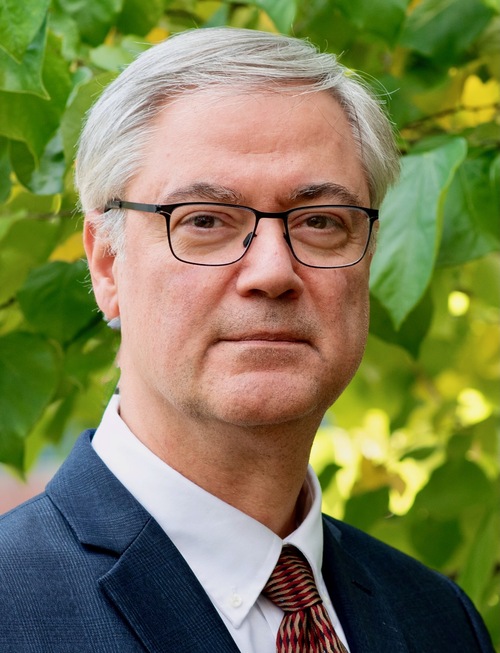 Mustafa Sahin, MD, PhD 🇺🇸
Current Positions
Professor of Neurology, Harvard Medical School, Boston, MA, USA
Rosamund Stone Zander Chair, Boston Children’s Hospital, Boston, MA, USA
Chair, Department of Neurology and Neurologist-in-Chief, Boston Children’s Hospital, Boston, MA, USA
Associate Member, Broad Institute, Massachusetts Institute of Technology, Cambridge, MA, USA
Recent Positions
Chair, Scientific Program Committee, Child Neurology Society (2011–2013)
Editor and Associate Editor, Pediatric Neurology (2012–2023)
Current and Past Roles in ICNA
Member
Personal Statement and Vision for ICNA
I have served as a pediatric neurologist and developmental neurobiologist at Boston Children’s Hospital and Harvard Medical School since completing my training in 2000. My laboratory focuses on the cellular and circuit mechanisms underlying neurodevelopmental disorders, particularly autism and epilepsy, using tuberous sclerosis complex (TSC) as a genetic model. Our work has demonstrated that the TSC/mTOR pathway plays critical roles in axon specification and guidance, myelination, regeneration, cerebellar circuitry, circadian rhythms, autophagy, and mitochondrial and ciliary dynamics. These discoveries showed that neurological defects in TSC-deficient animal models can be prevented by postnatal mTORC1 inhibition and have informed multiple clinical trials in patients with TSC, including an investigator-initiated neurocognition trial that I led.
Clinically, I founded the Multidisciplinary Tuberous Sclerosis Program in 2002 and continue to direct it. The program now follows more than 300 patients with TSC, with approximately 75 percent enrolled in at least one observational or interventional study. The clinic has become a model for multidisciplinary care at Boston Children’s Hospital and provides access to cutting-edge clinical research.
My academic career spans the basic, translational, and clinical continuum. Over the past decade, I founded and direct the Translational Neuroscience Center, now supported by a transformational philanthropic gift and known as the Rosamund Stone Zander Translational Neuroscience Center. The Center’s mission is to accelerate the translation of scientific discoveries into new treatments for pediatric nervous system disorders. It currently supports more than 50 projects across nine departments and divisions. Leading this Center has provided me with extensive experience in program development and in managing large, multi-departmental initiatives, with a sustained focus on equity, diversity, inclusion, and belonging. In addition to directing the Tuberous Sclerosis Program, I have served on the inpatient Neurology Critical Care Consult service since 2000. In 2024, I was appointed Neurologist-in-Chief and Chair of the Department of Neurology at Boston Children’s Hospital, roles that have allowed me to work closely with hospital leadership to advance clinical care and research for children with neurological disorders.
At the national level, I have served as principal investigator for two major clinical research consortia. The first was an Autism Center of Excellence Network U01 focused on TSC, with Boston Children’s Hospital as the Coordinating Center and four partner pediatric hospitals. The second is the Developmental Synaptopathies Consortium, currently supported by a U54 Rare Diseases Clinical Research Network award and comprising eleven clinical centers. Leading these consortia has strengthened my skills in organizational management, team building, efficiency, and transparency. I have also been actively involved in the Child Neurology Society, receiving the Young Investigator Award in 2005 and chairing the Scientific Selection and Program Planning Committee from 2011 to 2013. I have chaired the Scientific Program Committee of the International Society for Autism Research and the Gordon Research Conference on Fragile X and Autism-Related Disorders, and I delivered a plenary lecture at the 2022 ICNA meeting.
I have benefited greatly from outstanding mentorship, which has shaped my strong commitment to mentoring future leaders in neurology. I led residency recruitment in our department from 2009 to 2021 and have mentored multiple NIH career development awardees. My trainees have gone on to establish independent research programs at leading academic institutions in Europe and the United States.
I view service on the ICNA Executive Board as an opportunity to share experience and expertise globally at a pivotal moment for child neurology. Advances in genetics, information technology, stem cell science, optogenetics, and cell- and gene-based therapies are rapidly transforming care for conditions that were once purely descriptive. It is essential that these advances are shared internationally. As an immigrant from Turkey to the United States, I am acutely aware of global differences in resources and care models. At Boston Children’s Hospital, I support multiple global neurology initiatives, including work on environmental toxins and spina bifida in Bangladesh and malaria-associated epilepsy in Zambia. These collaborations emphasize bidirectional learning, co-development of educational strategies, and support for building clinical and research capacity in low- and middle-income countries.
If given the opportunity to serve on the ICNA Executive Board, I will work to expand these efforts at an international organizational level, with the goal of advancing equitable, high-quality neurological care for children worldwide.
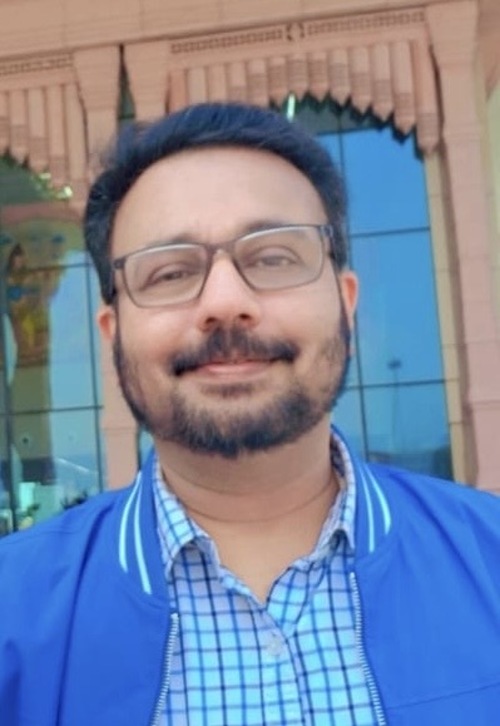 Rajesh Ramachandran Nair, MD, DM, FRCPC, FRCP 🇨🇦
Current Positions
Professor of Pediatrics, Division of Neurology, McMaster University
Neurologist, McMaster Children’s Hospital, Hamilton, ON, Canada
Recent Positions
Medical Director, Comprehensive Pediatric Epilepsy Program, McMaster Children’s Hospital (2014–2022)
Member, Adaptation and Implementation Task Force, ILAE Standards and Best Practice Council, International League Against Epilepsy (2023–present)
Member, Scientific Program Committee, American Epilepsy Society (2022–2025)
Current and Past Roles in ICNA
Co-opted Executive Board Member (2021–present)
Founding Co-Program Director, International Child Neurology Teaching Network (ICNTN) (2020–present)
Personal Statement and Vision for ICNA
I am standing for election to the Executive Board of the International Child Neurology Association because ICNA is uniquely positioned to shape global child neurology education, and my career has focused on building scalable, equitable learning systems that advance this mission. Through my work with ICNA and the International Child Neurology Teaching Network (ICNTN), I have helped design structured e-learning pathways that deliver high-quality training to colleagues across diverse regions. As a founding co-program director of ICNTN, I contributed to the development of a comprehensive modular curriculum with assessments, curated readings, and a clear strategy for multilingual translation and affordable access for colleagues in under-resourced settings. The monthly global grand rounds I helped establish have grown into a trusted international teaching forum and a durable digital archive.
My engagement with ICNA and the International Child Neurology Congresses has been consistent and purposeful. I have organized symposia at multiple congresses and led interactive teaching sessions addressing real-world clinical needs, including the ketogenic diet, mortality in epilepsy and SUDEP, and epileptic encephalopathies. The EEG workshop at ICNC 2024 in Cape Town, which I organized, exemplified this approach with hands-on interpretation, advanced problem-solving, and practical learning materials. I have also developed a 45-lecture epilepsy e-curriculum with MCQs and curated readings and continue to contribute to stroke and neurometabolic e-modules, expanding ICNA’s structured digital learning ecosystem. Promoting meaningful opportunities for younger colleagues worldwide has been a consistent priority across my ICNTN, ICNC, and e-learning activities.
At the national level, I founded and directed the Canadian Epilepsy Teaching Network, which regularly attracts 150–300 participants per session and has become a central educational resource across Canada. Through this initiative, I developed a national EEG teaching course for senior residents, resulting in measurable improvements in learning outcomes. My contributions to epilepsy education were recognized with the inaugural Canadian League Against Epilepsy Education Award, as well as the McMaster Pediatric Neurology Teaching Award.
Alongside educational leadership, I maintain an active research program focused on the ketogenic diet, SUDEP communication, EE-SWAS, and education-driven practice improvement. My peer-reviewed work on national virtual teaching initiatives emphasizes measurable, practice-changing educational models. Internationally, I serve on the ILAE Task Force on Adaptation and Implementation and on the American Epilepsy Society SUDEP Task Force, contributing to guideline development and global policy efforts.
If elected to the Executive Board, my priorities will be practical and outcome-focused: completing and deploying ICNTN e-modules with pathways for translation, accreditation, and scholarship; expanding mentorship and leadership opportunities for early-career child neurologists; and embedding outcome measurement across ICNA programs to ensure continuous improvement and demonstrable educational impact. My vision is an ICNA that delivers structured, multilingual, evidence-based education accessible to clinicians everywhere, strengthening global child neurological care.
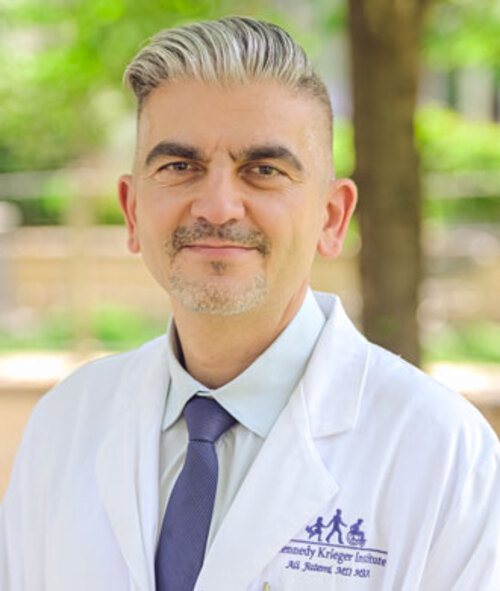 Seyed Ali Fatemi, MD, MBA 🇺🇸
Current Positions
Chief Medical Officer and Blum Moser Endowed Chair, The Kennedy Krieger Institute, Johns Hopkins Medical Institutions, Baltimore, MD, USA
Professor of Neurology and Pediatrics, Johns Hopkins School of Medicine, Baltimore, MD, USA
Recent Positions
Founding Director, The Moser Center for Leukodystrophies (2013–present)
Cofounder and Member, Board of Directors, ALD Connect, Inc. (2014–present)
Director, Intellectual and Developmental Disabilities Research Center (IDDRC) (2017–present)
Co-Director, National Office of Rare Disease Center of Excellence, Kennedy Krieger Institute and Johns Hopkins (2023–present)
Current and Past Roles in ICNA
Member
Member, Scientific Committee, ICNC 2018
Personal Statement and Vision for ICNA
I am the Chief Medical Officer and the Blum Moser Endowed Chair of Pediatric Neurology at the Kennedy Krieger Institute in Baltimore, USA, and a full Professor of Neurology and Pediatrics at the Johns Hopkins University School of Medicine. I also serve as Director of the National Office of Rare Disease (NORD)–certified Center of Excellence at Kennedy Krieger, Founding Director of the Moser Center for Leukodystrophies, and Co-Director of the Kennedy Krieger and Johns Hopkins Intellectual and Developmental Disabilities Research Center (IDDRC).
I am an international medical graduate, born in Iran. My family immigrated to Austria during the Iran–Iraq war, and I attended medical school at the Medical University of Vienna, where I also completed an internship in pediatrics. During this time, I had the opportunity to be mentored by Dr. Sylvia Stockler, who discovered the creatine biosynthesis disorders, and I conducted research on mitochondrial uncoupling proteins. I was subsequently recruited by the late Dr. Hugo W. Moser to Kennedy Krieger as a postdoctoral fellow, where I worked extensively on leukodystrophies. Through Dr. Moser and Dr. Sakkubai Naidu, both ICNA board members, I made my first connections with ICNA and have attended several ICNA congresses over the past 20 years.
After completing my residency at the Harvard Partners Neurology Program, I joined Kennedy Krieger as junior faculty under the mentorship of the late Dr. Michael V. Johnston. Dr. Johnston encouraged my involvement with ICNA and invited me to assist with the Scientific Selection Committee for the 2018 ICNC in Mumbai. Following Dr. Johnston’s passing, I was honored to be invited by Dr. Singhi to serve as a member of the ICNA Nominating Committee.
As a leukodystrophy expert, I am actively involved in multiple international consortia, including ALD Connect, the Vanishing White Matter Consortium, CureLBSL, and the MLC Consortium, and I collaborate closely with colleagues worldwide. I am frequently consulted by neurologists internationally on complex leukodystrophy cases. A major focus of my work is promoting interest in child neurology among international medical graduates. Over the course of my tenure, I have hosted more than 10 international medical students at Kennedy Krieger, including through the Moser Research Scholar Program, which hosts up to three medical students annually to work in my laboratory.
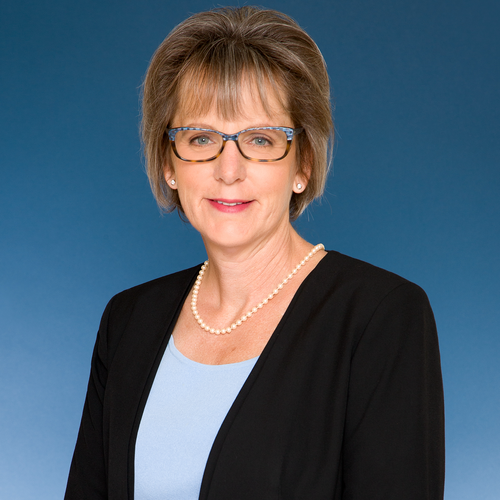 Shelly K. Weiss, MD 🇨🇦
Current Positions
Professor, Temerty Faculty of Medicine, University of Toronto, Toronto, ON, Canada
Neurologist, The Hospital for Sick Children (SickKids), Toronto, ON, Canada
Recent Positions
Past President, Canadian Sleep Society
Executive Board Member, Governing Council of the World Sleep Society
Chair of Certification in Sleep Disorder Medicine, Royal College of Physicians and Surgeons of Canada
Current and Past Roles in ICNA
Member
Personal Statement and Vision for ICNA
I am a pediatric neurologist at SickKids in Toronto, Canada, and a Professor in the Temerty Faculty of Medicine at the University of Toronto. I am seeking to join the Executive Board of the International Child Neurology Association (ICNA) to continue supporting its important mission of providing a global forum for child neurologists. My subspecialty interests within child neurology are epilepsy and sleep medicine. I have held numerous leadership positions in sleep medicine at both national and international levels and would like to apply this experience to contribute to ICNA leadership through service on the Executive Board.
My national and international leadership experience includes serving as Past President of the Canadian Sleep Society and as an Executive Board member of the Governing Council of the World Sleep Society, where I was an elected representative for North America. These roles provided opportunities to participate in scientific program committees, develop educational initiatives, oversee clinical practice guidelines, and collaborate with international colleagues in clinical care, education, and research.
I currently hold a leadership role with the Royal College of Physicians and Surgeons of Canada as Chair of Certification in Sleep Disorder Medicine. In this position, I have developed expertise in educational governance and assessment, skills that I would apply to current and future ICNA educational initiatives as an Executive Board member.
In summary, I have worked collaboratively across societies and committees to advance education, clinical care delivery, and professional development initiatives that have strengthened sleep medicine in Canada and internationally. I would like to bring this experience to the development of initiatives that support child neurologists globally through service on the ICNA Executive Board for the 2026–2030 term.
ICNA’s vision of providing a global forum for child neurologists is realized through the voluntary efforts of international leaders who contribute to research, mentorship, education, advocacy, and capacity building. These activities include the biennial ICNA congress, regular web-based educational programs, and in-person international education for physicians and healthcare teams in lower-income countries, all of which help improve equity in care for children with neurological disorders worldwide.
My participation in previous ICNA congresses has been professionally enriching, reinforcing the value of collaboration, education, and networking that underpin ICNA’s mission. Additional initiatives such as the Journal of ICNA and mentorship programs for young investigators further support this vision.
Finally, ICNA’s mission is deeply personal to me. I have been aware of its importance since beginning my child neurology training in Toronto in 1995 and through close professional relationships with former ICNA leaders, including Dr. William Logan and Dr. Ingrid Tein. As Past Program Director of Child Neurology at the University of Toronto, I also organized the annual Dr. John Stobo Prichard Research Day. Each year at SickKids, the vision of ICNA is evident as trainees from around the world present their research in a forum dedicated to Dr. Prichard, a founding member of ICNA.
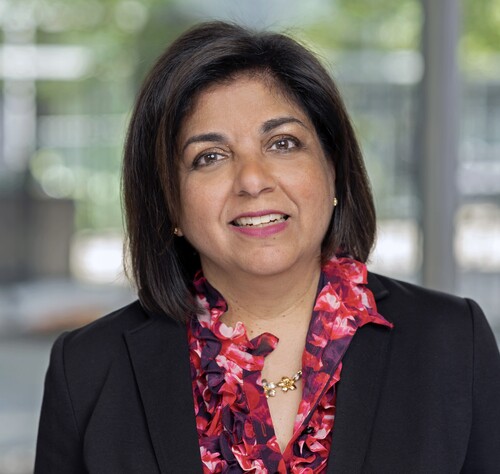 Yasmin Khakoo, MD 🇺🇸
Current Positions
Professor of Clinical Pediatrics, Joan and Sanford Weill Medical College of Cornell University, New York, NY, USA
Child Neurology Director, Memorial Sloan Kettering Cancer Center, New York, NY, USA
President, Child Neurology Society
Editor-in-Chief Emerita, Pediatric Neurology
Recent Positions
Editor-in-Chief, Pediatric Neurology (2022–2025)
Founder and Program Director, MSK Pediatric Neuro-oncology Fellowship (2005–2014; 2022–2025)
Chair, Scientific Program Committee, Child Neurology Society (2021–2023)
Current and Past Roles in ICNA
Member
Personal Statement and Vision for ICNA
As the child of two immigrant physicians from East Africa and India who worked in underserved areas of New York City, I have a deeply rooted understanding of medicine and public health at both local and global levels. Although I initially considered a career in elementary education, my aptitude for science, enjoyment of solving medical puzzles, and desire to work with children ultimately led me to pediatrics. During my pediatric residency at the University of California, San Francisco, I discovered child neurology as a field that combined intellectual challenge with patient-centered care.
In 1994, during an adult neurology rotation at the US Veterans Association Hospital in San Francisco, I encountered newly described paraneoplastic syndromes in smokers. Later that year, I cared for a child with neuroblastoma-associated opsoclonus myoclonus ataxia syndrome, which led me to introduce the pediatric hematology team to the concept of paraneoplastic syndromes. This experience sparked my enduring interest in neuro-oncology. In 1996, I became an adult neuro-oncology fellow at Memorial Sloan Kettering Cancer Center (MSK) and joined the faculty in 2001 as Director of Child Neurology, a role I continue to hold.
I founded the one-year MSK Kids Pediatric Neuro-oncology Fellowship in 2005 and have trained 15 pediatric fellows, along with numerous adult neurology fellows, residents, medical students, and international observers. My leadership development was further shaped by participation in the 2019 American Academy of Neurology Women in Neurology leadership program. Following this, I became Editor-in-Chief of Pediatric Neurology, the first woman and first South Asian to hold this role. Despite the challenges of the post-pandemic period, including reviewer shortages and a temporary decline in journal metrics, the changes implemented during my tenure resulted in unprecedented engagement, expanded international representation, new formats, and a strengthened commitment to quality and diversity.
My service to the Child Neurology Society has been longstanding. I progressed through roles on the Scientific Program Committee from reviewer to co-chair and then chair (2021–2023). I was elected Councilor for the East in 2022, served as President-Elect from 2024 to 2025, and am currently serving as President from October 2025 to October 2027.
I have been actively involved in international collaborations, including long-standing membership in the International Opsoclonus Myoclonus Ataxia (OMSLife) group and co-authorship of the 2022 AAN guideline paper on the diagnosis and management of opsoclonus myoclonus ataxia syndrome in children. I have lectured internationally on neurocutaneous melanocytosis-associated central nervous system melanoma and established a US registry for this condition in 2020. I particularly valued presenting on this topic at the ICNTN/ICNApedia virtual conference. Participation in the Asian Oceanian Congress of Child Neurology 2025 in New Delhi was a transformative experience that led to new global collaborations and insights into international meeting planning.
In 2025, I stepped down as Editor-in-Chief of Pediatric Neurology to focus on leading the Child Neurology Society during a period of major challenges in the United States, including threats to research infrastructure and public health initiatives such as vaccination. I founded the CNS Vaccine Taskforce to prepare clinicians to address concerns related to vaccine-preventable neurological injury, particularly in vulnerable pediatric neurology populations. These concerns are global in nature and align closely with ICNA’s mission. My institution, MSK Kids, fully supports my continued engagement with ICNA, including new international collaborations with the International Society of Paediatric Oncology (SIOP).
I appreciate consideration of my application for a position on the ICNA Executive Board and look forward to contributing to ICNA’s mission of advancing global child neurology through education, collaboration, and advocacy.
 Alfredo Cerisola Cardoso, MD 🇺🇾
Current Positions
Associate Professor of Pediatric Neurology, School of Medicine, University of the Republic, Montevideo, Uruguay
Recent Positions
President, Iberoamerican Academy of Pediatric Neurology (2022–2024)
President, Uruguayan Society of Pediatric Neurology (2020–2023)
President, Uruguayan Society of Pediatrics (2013–2017)
Current and Past Roles in ICNA
Member
Local Coordinator, ICNA Scientific Meeting, Montevideo, Uruguay (2018)
Representative to the International Child Neurology Societies President Group (2020–2023)
Personal Statement and Vision for ICNA
At the local level, I serve as the Professor responsible for the Pediatric Neurology Department at the School of Medicine of the public university in Uruguay. In this role, I oversee academic and clinical activities, contribute to the training of future pediatric neurologists, and support the advancement of child neurology within our institution.
I have dedicated significant effort to local, regional, and international scientific societies, holding senior leadership roles in each. In recent years, I have become increasingly active within the international child neurology community and am enthusiastic about the opportunity to take on greater leadership responsibilities within the International Child Neurology Association.
Looking ahead, I am keen to collaborate with ICNA members from diverse regions to strengthen the Association’s global impact, foster partnerships, and support initiatives that promote education, research, and the highest standards of care for children with neurological disorders worldwide. I am committed to contributing my experience and dedication to advancing our shared goals and to ensuring that ICNA continues to serve as the global voice of child neurology.
 Ignacio Sfaello, MD 🇦🇷
Current Positions
Head, Child Neurology Service, Reina Fabiola University Clinic, Córdoba, Argentina
Neuropediatrician, Jerome Lejeune Foundation Argentina, Córdoba, Argentina
Recent Positions
President, Argentine Society of Child Neurology (2022–2024)
Vocal Deputy, Steering Committee, Argentine League Against Epilepsy (LACE) (2017–2021; 2023–2025; 2025–2027)
Current and Past Roles in ICNA
Member
Personal Statement and Vision for ICNA
Throughout my career, I have maintained a strong commitment to the international child neurology community and believe I can contribute meaningful perspectives and sustained dedication to the mission of the International Child Neurology Association. My professional involvement has included regular participation in international forums, including ICNA congresses and regional child neurology meetings, which have provided valuable opportunities for knowledge exchange and global collaboration. These experiences have enhanced my understanding of the worldwide landscape of pediatric neurological care and the significant disparities that persist across regions.
Working in Argentina has given me firsthand insight into the challenges and opportunities faced by child neurologists in Latin America. I have seen how international networks and collaborative initiatives can positively influence education, research, and clinical practice in settings with variable resources. This has reinforced my conviction that ICNA plays a vital role in promoting equitable access to high-quality neurological care for children and in building meaningful professional connections across continents.
I am motivated to take on a leadership role within ICNA to actively advance its objectives. My priorities include strengthening Latin American representation in child neurology leadership, supporting educational initiatives that reach underserved regions, and facilitating collaboration between early-career and established professionals worldwide. I believe that diverse and inclusive leadership is essential to addressing the complex challenges facing child neurology today.
I am prepared to dedicate the necessary time, effort, and expertise to serve the ICNA community effectively and to work collaboratively toward our shared goal of advancing child neurology globally.
 Juliana Gurgel Giannetti, MD, PhD 🇧🇷
Current Positions
Full Professor, Department of Pediatrics, Federal University of Minas Gerais (UFMG), Belo Horizonte, Brazil
Founder and Coordinator, Pediatric Neuromuscular Clinics, Hospital das Clínicas, UFMG, Belo Horizonte, Brazil
Recent Positions
Vice-Coordinator, Postgraduate Course in Pediatric Health Care, Medical School, UFMG, Belo Horizonte, Brazil (2023–2026)
Vice-President, Brazilian Child Neurology Society (Sociedade Brasileira de Neurologia Infantil – SBNi)
Member, Committee on Myology Developments Across the World, World Muscle Society (WMS) (2021–present)
President, Brazilian Child Neurology Society (SBNi), São Paulo, Brazil (2024–2025)
Coordinator, Pediatric Neurology Division, UFMG, Belo Horizonte, Brazil (2002–2023)
Founder and Coordinator, Pediatric Neurology Residency Program, Hospital das Clínicas, UFMG, Belo Horizonte, Brazil (2007–2023)
Vice-President, Brazilian Child Neurology Society (SBNi), São Paulo, Brazil (2018–2021)
President, Brazilian Child Neurology Congress, Belo Horizonte, Brazil (2018)
Current and Past Roles in ICNA
Member, ICNA Executive Board (2022–present)
Personal Statement and Vision for ICNA
I am a pediatric neurologist specializing in neuromuscular disorders and mitochondrial diseases. I completed my neuromuscular fellowship and PhD at the University of São Paulo in 2001, followed by two postdoctoral fellowships in mitochondrial diseases at Columbia University in 2005 and 2013, under the mentorship of Professors Salvatore Di Mauro and Michio Hirano.
Throughout my career, I have been deeply engaged in education and research, particularly in neuromuscular disorders. As a Professor at the Federal University of Minas Gerais, I have supervised more than 30 child neurology residents and over 25 postgraduate students at master’s and doctoral levels. I have authored more than 80 peer-reviewed scientific publications, over 20 book chapters, and two books, and have served as principal investigator in several clinical trials in neuromuscular diseases.
I have developed training programs for healthcare professionals focused on early identification of infants with motor delay, including conditions such as spinal muscular atrophy and Duchenne muscular dystrophy. Over the past two years, I have coordinated the newborn screening program for 5q spinal muscular atrophy in the state of Minas Gerais, Brazil. This represents the first public newborn screening initiative for 5q SMA in Brazil, covering a large state population, and was recognized with the Innovation and Social Impact Award by the Brazilian Academy of Neurology in 2025.
In 2018, as Vice-President of the Brazilian Child Neurology Society, I proposed and organized regional educational courses across Brazil focused on the evaluation of the floppy infant, including clinical semiology, diagnostic pathways, and multidisciplinary care. In subsequent years, as a member of the SBNi Executive Board, we strengthened regional meetings to promote continuing education in key areas such as cerebral palsy, neuromuscular disorders, epilepsy, and neurodevelopmental conditions.
In 2024, I became President of the Brazilian Child Neurology Society, gaining extensive experience in the financial, administrative, and strategic management of a national medical society. During my term, we significantly expanded regional pediatric neurology meetings, holding four meetings per year in different states, and organized two national congresses with approximately 1,200 participants each. In 2025, we promoted the first Brazilian meeting on multidisciplinary neurorehabilitation, with dedicated sessions on cerebral palsy and neuromuscular disorders. We reorganized and strengthened the Society’s scientific departments and launched the Annual Book of the Scientific Departments of the Brazilian Child Neurology Society, providing evidence-based and practical guidance. We also published a national reference book on autism spectrum disorder adapted to the Brazilian healthcare context.
I was elected to the ICNA Executive Board for the 2022–2026 term and have actively participated in Executive Board meetings, both online and in person, including during the International Child Neurology Congresses in Antalya and Cape Town. I served as a member of the Scientific Committee and as course coordinator for Neurological Semiology at ICNC 2024 in Cape Town, and I have contributed as a speaker to ICNA online educational activities in 2024 and 2025. During this period, we formally incorporated the ICNA logo into the SBNi website and actively encouraged Brazilian child neurologists to join ICNA.
My experience within the Brazilian Child Neurology Society has given me a comprehensive understanding of the organizational, financial, and sustainability challenges faced by professional societies. Based on this background and my involvement in international organizations such as ICNA and the World Muscle Society, I believe I can contribute meaningfully to the ICNA Executive Board in a second term.
I am committed to supporting ICNA’s mission of advancing knowledge in child neurology, particularly in neuromuscular disorders, through educational activities in Brazil, Latin America, and beyond, while further strengthening international collaboration.
 Leticia Sampaio, MD, PhD 🇧🇷
Current Positions
Attending Physician, Division of Child Neurology, Instituto da Criança, Hospital das Clínicas, University of São Paulo (HCFMUSP), São Paulo, Brazil
Attending Physician and Clinical Neurophysiologist, Hospital Israelita Albert Einstein, São Paulo, Brazil
Recent Positions
President, Brazilian Society of Child Neurology (2020–2021)
President, Brazilian League Against Epilepsy (2024–2026)
Current and Past Roles in ICNA
Member
Personal Statement and Vision for ICNA
I am a child neurologist with comprehensive academic training, including medical degree, residencies, and master’s and doctoral degrees in Neurology from the University of São Paulo. I currently hold clinical and academic appointments at two major referral centers in Brazil: the Instituto da Criança of the Hospital das Clínicas and Hospital Israelita Albert Einstein. My professional focus is on child neurology and clinical neurophysiology, with particular expertise in epilepsy and a strong commitment to medical education.
My career integrates clinical care, academic activity, and sustained involvement in professional organizations. I hold board certifications in child neurology, clinical neurophysiology, pediatrics, and sleep medicine, and I have contributed to the scientific community through peer-reviewed publications, book chapters, and active participation in national and international scientific meetings.
I have extensive leadership experience within medical societies. As President of the Brazilian Society of Child Neurology (2020–2021), I led initiatives to strengthen education, scientific collaboration, and professional engagement. I currently serve as President of the Brazilian League Against Epilepsy (2024–2026). These leadership roles have provided me with experience in governance, strategic planning, financial oversight, and international collaboration, all of which are directly relevant to service on the ICNA Executive Board.
I am honored to have been nominated to stand for election to the ICNA Executive Board for the 2026–2030 term. If elected, I am fully committed to actively contributing to ICNA’s strategic objectives, including advancing global education in child neurology, fostering collaboration between high- and low-resource regions, supporting early-career neurologists, and strengthening the voice and participation of Latin America within the international child neurology community. I bring a collaborative leadership style, experience in organizational management, and a strong commitment to ICNA’s mission of improving neurological care for children worldwide.
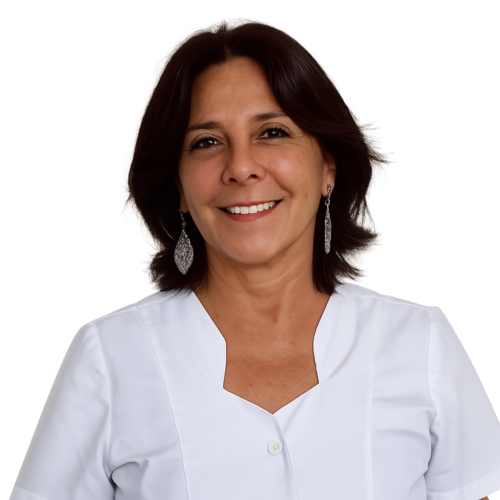 L. Mónica Troncoso-Schifferli, MD 🇨🇱
Current Positions
Associate Professor, Department of Pediatrics and Child Surgery, Faculty of Medicine, University of Chile, Santiago, Chile
Associate Professor, Faculty of Medicine, Universidad del Desarrollo, Santiago, Chile
Head, Child Neuropsychiatry Service, San Borja Arriarán Clinical Hospital, Santiago, Chile
Recent Positions
General Secretary, Chilean Society of Child and Adolescent Psychiatry and Neurology (SOPNIA) (1995–1997)
Member, Expert Commission on Dystonia and Deep Brain Stimulation, Ricarte Soto Law No. 20.850 (high-cost health technologies), Ministry of Health of Chile
Member, Expert Commission on Multiple Sclerosis in Children, Ministry of Health of Chile
Representative of ASOFAMECH (Association of Medical Schools of Chile) on the Pediatric Neurology Committee, CONACEM – Corporation for the Accreditation of Medical Specialties
Current and Past Roles in ICNA
Member
Personal Statement and Vision for ICNA
I have been actively involved in the international child neurology community through sustained clinical collaboration, research, and education, with a focus on pediatric movement disorders, neurometabolic and neurogenetic diseases, and deep brain stimulation in children. My participation in national and international scientific societies related to child neurology and movement disorders has strengthened professional links with colleagues across multiple regions. Over the years, I have contributed to multinational research projects, international guidelines and consensus statements, and have maintained close collaborations with centers in Europe and Latin America through fellowships, joint publications, and invited lectures.
My professional work is based in a national referral center for high-complexity pediatric neurological disorders. This has provided extensive experience in multidisciplinary care, resident and fellow training, and the organization of educational courses and symposia aimed at improving outcomes for children with neurological diseases.
Building on this background, I am strongly committed to taking on a leadership role within the International Child Neurology Association. I would like to contribute to the development of educational programs, strengthen networks between high- and middle-income countries, and promote greater integration of movement disorders and rare diseases within ICNA’s strategic agenda.
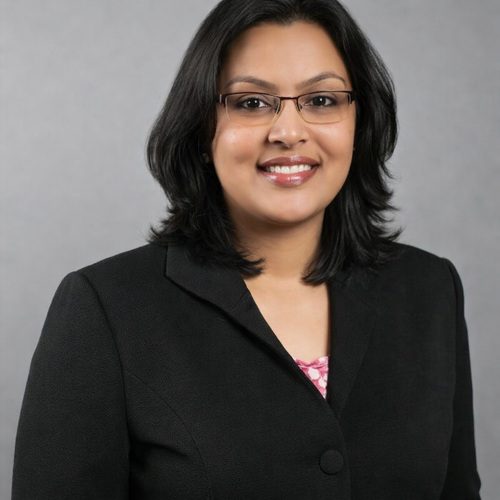 Arushi Gahlot Saini, MD, DM (Pediatric Neurology) 🇮🇳
Current Positions
Additional Professor of Pediatric Neurology, Postgraduate Institute of Medical Education and Research (PGIMER), Chandigarh, India
Recent Positions
Chair, Young Asian and Oceanian Child Neurology Association
Executive Board Member, Association of Child Neurologists (AOCN), India
Current and Past Roles in ICNA
Recipient, Sheila Wallace Award (2026)
Member
Former Member, Future Leaders of ICNA (FLICNA)
Personal Statement and Vision for ICNA
My vision for the International Child Neurology Association is for it to function as an effective, accountable organization that advances equitable child neurology care through education, capacity building, collaboration, advocacy, and strong governance. ICNA’s strategic priorities should translate into measurable actions that improve outcomes for children and families across regions, particularly in low- and middle-income countries (LMICs).
Education and Training
Education is a core area in which I have been actively involved and where I believe ICNA can have its greatest impact. As a former member of the Future Leaders of ICNA, I directly benefited from structured mentorship, leadership exposure, and international networking, and I appreciate the value of these opportunities for early-career neurologists. Building on this experience, I would work to strengthen regionally adaptable training programs through online platforms and regional workshops, with a realistic goal of supporting needs-based training over a four-year cycle. In my current academic role, I am deeply engaged in postgraduate teaching and mentorship, which informs my focus on practical, sustainable educational models.
Capacity Building and Service Development
My clinical work in a high-volume public-sector center has shaped my approach to capacity building. I have been involved in strengthening neurometabolic and neurodevelopmental services and in promoting multidisciplinary care models that are feasible in resource-limited settings. Through ICNA, I would support a hub-and-spoke approach, facilitating the development of regional centers of excellence linked to emerging programs. My experience across referral networks underscores the importance of implementation, referral pathways, and context-appropriate diagnostics rather than isolated interventions.
Research, Collaboration, and Guidelines
I have experience in collaborative research and guideline development, including contributions to international consensus guidelines. Through ICNA, I would encourage multicenter and cross-regional collaborations, particularly those addressing high-burden conditions relevant to LMICs. Having mentored trainees and early-career colleagues in research, I see strong value in involving younger neurologists in collaborative projects to build research capacity and ensure leadership continuity.
Governance, Leadership, and Regional Representation
As Chair of the Young Asian and Oceanian Child Neurology Association, I am involved in regional coordination, program development, and representation across countries with diverse needs. This role has provided practical experience in organizational leadership, consensus building, and strategic planning. On the ICNA Executive Board, I would prioritize transparent governance, strong regional representation, and leadership development pathways that ensure continuity and inclusivity.
Advocacy and Global Engagement
I am actively involved in advocacy-focused activities, including work related to neurodevelopmental disability and access to care, as well as engagement with ICNA’s advocacy efforts. These experiences have reinforced my belief that ICNA can play a meaningful role in engaging policymakers, global health organizations, and patient groups. I would support structured advocacy initiatives, with a goal of advancing at least three policy or advocacy actions per cycle, while amplifying voices from underserved regions.
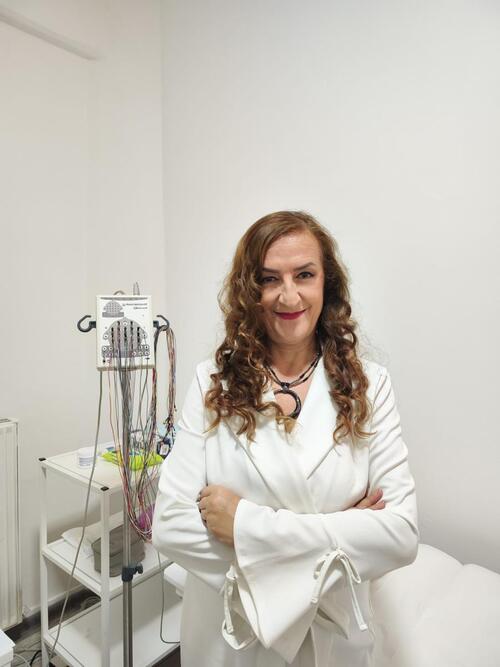 Bosanka Jocic-Jakubi, MD, PhD 🇰🇼
Current Positions
Consultant Pediatric Neurologist and Epileptologist, Pediatric Neurology Clinic “Neuro Kid Bossa,” Niš, Serbia
Consultant Pediatric Neurologist and Epileptologist, Pediatric Department, Dar Al Shifa Hospital, Kuwait
Recent Positions
Consultant Pediatric Neurologist, Sultan Qaboos University Hospital, Muscat, Oman (2016–2022)
Faculty Member, Oman Medical Specialty Board (OMSB)
Pediatric Neurologist and Epileptologist, Pediatric Department, Al Sabah Hospital, Kuwait (2010–2016)
Consultant Pediatric Neurologist and Epileptologist, Department of Pediatric Neurology, Clinical Center Niš, Serbia (2000–2010)
Head, Pediatric Neuropsychiatry Department, Clinical Center Niš, Serbia (2002–2006)
Professional and International Roles
ILAE Academy Faculty Member
C4C Pediatric Neurology Expert (2019–present)
Serbian Representative to the European Paediatric Neurology Society (EPNS) (2005–2017)
Member, ILAE Telemedicine Task Force
Member, ILAE Collaboration and Liaison Task Force
Current and Past Roles in ICNA
Member
Personal Statement and Vision for ICNA
The International Child Neurology Association is a non-profit organization dedicated to children affected by neurological disorders, with the goal of creating a world in which all such children can reach their full potential. ICNA serves as a collaborative organization grounded in education, ethics, compassion, advocacy, responsibility, and excellence, while providing support to caregivers and families of children with neurological conditions.
Through the biennial International Child Neurology Congress, ICNA brings together experts from across the globe to discuss advances in diagnosis, investigation, and treatment in pediatric neurology. Through the International Child Neurology Teaching Network, ICNA fosters mentorship by enabling experienced clinicians to support the learning and professional development of younger colleagues.
The vision and mission of ICNA emphasize clear communication of expectations and learning opportunities, honesty and transparency in relationships, and strong collaboration with partner organizations such as EPNS, ILAE, AOCNA, the World Health Organization, and others. ICNA is committed to developing supportive and encouraging relationships within the international pediatric neurology community and to ensuring that the interests of children and their families always come first.
By working together across borders and cultures, ICNA enables collective action that is stronger and more effective than individual effort. Together, we can go farther and achieve more for children with neurological disorders worldwide.
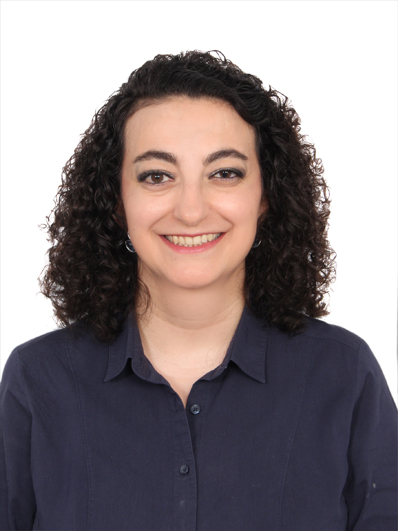 Esra Serdaroglu, MD, PhD 🇹🇷
Current Positions
Consultant Pediatric Neurologist and Associate Professor, Gazi University Faculty of Medicine, Ankara, Türkiye
Recent Positions
Child Neurologist, Tokat State Hospital, Tokat, Türkiye
Current and Past Roles in ICNA
Member
Chair, Future Leaders of the ICNA (FLICNA) (2019–2022)
Personal Statement and Vision for ICNA
I am a consultant pediatric neurologist specializing in movement disorders and neurogenetics at Gazi University in Ankara, Türkiye. My clinical practice is closely integrated with academic teaching and international collaboration.
After completing my child neurology training, I undertook compulsory service in a small city, where I worked for two years as the sole child neurologist in the region. This experience profoundly shaped my perspective on equity in access to neurological care and education. In addition to providing comprehensive clinical services, I delivered lectures for medical students and pediatric trainees on core pediatric neurology topics and organized educational seminars for general pediatricians on the recognition, diagnosis, and management of common and complex neurological conditions. Working in a resource-limited setting strengthened my commitment to capacity building and sustainable education models in child neurology.
Alongside my clinical work, I have been actively involved with the International Child Neurology Association. In 2019, I was selected as Chair of the first Future Leaders of the ICNA (FLICNA) committee. During the early COVID-19 period, our committee launched a series of online interviews and educational lectures beginning in June 2020, creating a virtual platform that connected pediatric neurology professionals and trainees across regions. In 2022, ICNA and FLICNA representatives organized a Research Methodology Workshop to support early-career neurologists in developing research skills. Recognizing global disparities in training opportunities, we focused on improving access to pediatric neurology education and services worldwide, culminating in the Child Neurology Education and Training Workshop in 2024 to address existing gaps.
I have also been actively engaged in regional and international neurological societies. I was among the first members of the Young EPNS initiative and have served on education and training and guideline committees. I later led the first collaboration of young international representatives, bringing together early-career child neurologists from multiple international child neurology associations. In addition, I remain actively involved with the Movement Disorder Society Pediatric Special Interest Group (as a former steering committee member), the Asian–Oceanian Child Neurology Association, and the Turkish Child Neurology Association.
I strongly believe that international collaboration is essential to advancing child neurology, particularly in education, research, and equitable service delivery. I am highly motivated to continue developing collaborative projects that strengthen global networks, empower young child neurologists, and ultimately improve neurological care for children worldwide.
 Fahad A. Bashiri, MD 🇸🇦
Current Positions
Professor and Consultant Pediatric Neurologist, College of Medicine, King Saud University, Riyadh, Saudi Arabia
Recent Positions
Chairman, Pediatric Department, College of Medicine, King Saud University, Riyadh, Saudi Arabia (2021–2023)
President, Saudi Pediatric Neurology Society (2019–present)
National Delegate of Saudi Arabia to the Asian Oceanian Child Neurology Association (AOCNA) (2024–present)
Chair, Scientific Committee, Asian Oceanian Child Neurology Association (AOCNA) (November 2025–present)
Section Head, Pediatric Neurology, Department of Pediatrics, College of Medicine and King Khalid University Hospital, King Saud University, Riyadh, Saudi Arabia (2013–2021)
Head, Combined Pediatric Neurology Residency Training Program, Saudi Commission for Health Specialties (SCFHS) (2020–2022)
Chairman, Scientific Committee, Pediatric Neurology Program, Saudi Commission for Health Specialties (SCFHS) (2022–2025)
Director, Pediatric Neurology Residency and Fellowship Training Program, King Saud University Medical City, Riyadh, Saudi Arabia (2016–2019)
Current and Past Roles in ICNA
Member
Personal Statement and Vision for ICNA
I am deeply committed to advancing the mission of the International Child Neurology Association and to strengthening its role in scientific exchange, global collaboration, and capacity building in child neurology worldwide. Throughout my career, I have actively contributed to regional and international initiatives, educational programs, and collaborative research efforts, and I remain dedicated to enhancing ICNA’s impact and visibility internationally.
If elected, I will contribute actively and consistently to the responsibilities and strategic agenda of the Executive Board. I am committed to supporting the development of educational, scientific, and global outreach initiatives; promoting collaboration across regions to ensure inclusive engagement of all member societies; and upholding ICNA’s values by representing the Association with professionalism, transparency, and integrity.
I look forward to the opportunity to serve ICNA in a leadership role and to work closely with colleagues worldwide to advance shared goals for the global child neurology community.
 Hasan Tekgül, MD 🇹🇷
Current Positions
Professor of Pediatric Neurology, Ege University Medical School, Izmir, Türkiye
Director, Pediatric Neurology and Pediatric Clinical Neurophysiology and EEG Laboratory, Ege Children’s Hospital, Izmir, Türkiye
Current and Past Roles in ICNA
Member, ICNA Executive Board (2022–present)
Treasurer, International Child Neurology Association (2024–present)
Chair, International Child Neurology Congress 2022, Antalya, Türkiye
Personal Statement and Vision for ICNA
The International Child Neurology Association has played a pivotal role in advancing child neurology worldwide through education, research collaboration, advocacy, and global engagement. As the field continues to evolve—driven by scientific advances, technological innovation, and increasing awareness of global disparities in neurological care for children—the role of ICNA is more important than ever.
Vision and Motivation
My motivation to serve ICNA is rooted in a strong commitment to:
- Advancing excellence in child neurology globally
- Strengthening international collaboration and knowledge exchange
- Supporting education, mentorship, and capacity building, particularly in low- and middle-income regions
- Promoting equity in access to neurological care for children worldwide
I believe ICNA should continue to function both as a scientific leader and as a unifying global platform for child neurologists, allied professionals, and trainees.
Experience and Qualifications
As a clinician-scientist, academic leader, and long-standing contributor to child neurology, I bring extensive experience in clinical practice, research, and medical education. I have been actively involved in international collaborations and professional societies and have substantial experience in organizational governance, strategic planning, and committee work. Throughout my career, I have valued collaboration, inclusiveness, and mentorship, recognizing that sustainable progress depends on empowering the next generation of child neurologists.
I served as Chair of the Scientific Committee for the ICNC 2022 in Antalya, Türkiye, which was both educationally and financially successful. During my tenure as ICNA Treasurer (2024–2025), and through close cooperation with the Finance Committee, the ICNA Home Office, the ICNC Presidency, and the Executive Board, we ensured a financially stable general budget for the Association.
Priorities for 2026–2030
If elected, my priorities would include:
- Strengthening ICNA’s organizational structure, communication, and continuity
- Enhancing global educational initiatives, including congresses, webinars, and online learning platforms
- Supporting young professionals, trainees, and early-career researchers
- Expanding ICNA’s advocacy role for children with neurological disorders
- Promoting the international reputation of ICNA
- Expanding ICNA membership
- Fostering active collaboration with other neurology societies and associations
- Consolidating ICNA’s financial independence
- Optimizing cost recovery from biennial ICNA congresses
- Actively seeking alternative sources of funding
I consider this candidacy an opportunity to serve the global child neurology community and, ultimately, the children and families we care for. I would be deeply honored to contribute my experience and energy to ICNA’s leadership and to work collaboratively with colleagues worldwide.
Thank you for your consideration, your trust, and your continued dedication to the mission of the International Child Neurology Association.
 Jitendra Kumar Sahu, MD 🇮🇳
Current Positions
Professor of Pediatric Neurology, Postgraduate Institute of Medical Education and Research (PGIMER), Chandigarh, India
Recent Positions
National Chairperson, Academy of Pediatric Neurology, India
Current and Past Roles in ICNA
Member
Recipient, John Stobo Prichard Award (2024)
Recipient, Sheila Wallace Award (2016)
Personal Statement and Vision for ICNA
As a prospective Executive Board Member of the International Child Neurology Association, my vision is to advance equitable, high-quality neurological care for children worldwide through collaboration, education, advocacy, and innovation. I am committed to strengthening ICNA’s role as a truly global organization that represents diverse regions, healthcare systems, and cultural contexts, while upholding the highest standards of scientific excellence and clinical practice.
I envision ICNA as a platform that bridges gaps between high-, middle-, and low-resource settings by promoting capacity building, mentorship, and sustainable training programs. By supporting early-career child neurologists, expanding access to educational resources, and fostering international partnerships, ICNA can help reduce disparities in diagnosis, treatment, and outcomes for children with neurological disorders. This aligns closely with my clinical and academic work in pediatric neurology and infantile epilepsy, where I have seen how timely diagnosis and context-appropriate care can profoundly influence a child’s developmental trajectory.
In a leadership role, I would prioritize inclusivity, transparency, and meaningful engagement of ICNA members. I am particularly motivated to support initiatives that amplify voices from underrepresented regions, encourage multidisciplinary collaboration, and integrate emerging technologies such as tele-education and digital health into ICNA activities. These approaches are essential for reaching clinicians in remote or resource-constrained settings and for ensuring that advances in pediatric neurology benefit children everywhere.
Advocacy is central to my vision. Child neurology must be recognized as a public health priority, and children with neurological conditions and their families must be supported at local, national, and global levels. Through engagement with policymakers, professional societies, and patient organizations, ICNA can help shape health systems that emphasize early identification, comprehensive care, and family-centered support.
Ultimately, my vision is for ICNA to serve as a unifying force that inspires excellence, compassion, and innovation in child neurology, empowering clinicians and researchers to improve the lives of children worldwide and helping to build a future in which no child is limited by lack of access to neurological care.
 Jithangi Wanigasinghe, MBBS, MD, DCH, MPhil, FRCPCH 🇱🇰
Current Positions
Professor in Paediatric Neurology, Department of Paediatrics, Faculty of Medicine, University of Colombo, Colombo, Sri Lanka
Recent Positions
President, Sri Lanka Child Neurology Association (2023–present)
President, Epilepsy Association of Sri Lanka (2016–2019)
Academic Head, Department of Paediatrics (2023–2025)
Academic Head, Department of Allied Health Sciences (2014–2017)
Editor, Sri Lankan Association for Child Development (2013–2015; 2015–2017)
Editor, Sri Lankan Journal of Neurology (2022–2025)
Editor, Ceylon Journal of Medical Sciences (2017–2020)
Chair, Long-term Planning Committee, Asia–Oceanian Child Neurology Association
Chair, Paediatric Task Force, ILAE Asia–Oceanian Region
Vice-Chair, International Bureau for Epilepsy, South Asia Region
Current and Past Roles in ICNA
Member
Personal Statement and Vision for ICNA
For more than two decades, I have dedicated my professional life to advancing child neurology in Sri Lanka, where I have had the privilege of serving as the country’s first paediatric neurologist. This pioneering role carried both responsibility and opportunity: to establish a national framework of care for children with neurological disorders within a resource-limited setting. My work has encompassed clinical service development, multidisciplinary collaboration, workforce training, and sustained advocacy for children and their families.
In my leadership roles—including my current position as President of the Sri Lanka Child Neurology Association, my past role as Secretary of the Association of Sri Lankan Neurologists, and my presidency of the Epilepsy Association of Sri Lanka—I have consistently prioritised equitable access to high-quality neurological care and strengthened the local evidence base through contextually relevant research. A central commitment has been to ensure that Sri Lanka is visible and engaged within the global child neurology community.
At the regional level, I serve on the Executive Board of the Asia–Oceanian Child Neurology Association, contributing to initiatives that enhance training capacity, professional networks, and visibility across the Asia–Oceanian region. Internationally, as a member of the Paediatric Commission of the International League Against Epilepsy, I lead advocacy initiatives aligned with the Intersectoral Global Action Plan for epilepsy and other neurological disorders. These roles have reinforced my conviction that meaningful progress in child neurology depends on strong collaboration across national, regional, and global partnerships.
My research focuses on bridging evidence and real-world practice, particularly in childhood epilepsies, treatment patterns, and barriers to care in South Asia, with the aim of informing service development and policy.
I am motivated to serve on the Executive Board of the International Child Neurology Association because I strongly share its vision that every child, regardless of geography or circumstance, deserves timely, expert, and compassionate neurological care. I am committed to representing South Asian perspectives, strengthening regional collaboration, and advancing ICNA’s mission in education, advocacy, and clinical excellence.
This candidacy reflects both my professional journey and my personal dedication to improving the lives of children with neurological disorders. I would be deeply honoured to contribute to ICNA’s leadership and respectfully seek your support.
 Keren Politi, MD 🇮🇱
Current Positions
Head, Neurology Service, ALYN Hospital, Jerusalem, Israel
Recent Positions
Head, Neonatal Neurology and Premature Newborn Clinic, Schneider Children’s Medical Center, Petah Tikva, Israel (2016–2020)
Current and Past Roles in ICNA
Member
Personal Statement and Vision for ICNA
Over the past decade, I have established and led the development of the pediatric neurology service at ALYN Hospital for the rehabilitation of children and adolescents. This has included providing comprehensive neurological support across all inpatient departments, with particular emphasis on children with moderate to severe acquired brain and spinal cord injuries. To support this work, I founded an EEG laboratory enabling continuous neurophysiological monitoring of our most complex patients. In parallel, we developed multidisciplinary rehabilitation clinics offering coordinated follow-up for children discharged after intensive rehabilitation, as well as for those with complex brain injuries and rare genetic syndromes requiring long-term, team-based care. I have also expanded the use of neuromodulatory treatments at our institution, including deep brain stimulation, intrathecal baclofen pump therapy, and selective dorsal rhizotomy surgery.
We established a dedicated service for children with rare genetic diseases, ensuring access to genetic expertise, comprehensive family-centered counseling, and links to relevant research programs and parent advocacy organizations. Guided by a commitment to personalized medicine, we implemented virtual and telephone-based follow-up models to closely supervise novel pharmacologic treatments, surgical interventions, and diagnostic processes, while supporting community-based rehabilitation programs and strengthening social support for families from diverse populations and socioeconomic backgrounds.
My research focuses on neurophysiological monitoring in pediatric patients with a range of brain injuries and neurological conditions, using standard EEG and amplitude-integrated EEG technologies. I apply machine-learning methods to large-scale EEG datasets to identify electrophysiological signatures that classify patient trajectories and predict therapeutic responses. I have recently initiated a prospective multicenter clinical study examining the effects of medical interventions on neurocognitive outcomes and EEG biomarkers in children with traumatic and ischemic brain injury, funded by the Ministry of Innovation, Science and Technology. In addition, I am studying the application of neuromodulatory treatments in dyskinetic cerebral palsy and remain committed to exploring innovative technologies and therapeutic approaches in pediatric neurorehabilitation.
Over the past year, I was invited to serve as a commissioner on the Lancet Commission on Neurological Rehabilitation, contributing to the development of evidence-based recommendations for pediatric neurological rehabilitation and to increasing global awareness of the importance of this field.
By serving on the ICNA Executive Board, I aim to continue advancing care for children with complex congenital and acquired neurological conditions, to learn from global innovations, and to help broaden access to novel therapies and cutting-edge approaches. I am committed to fostering meaningful international collaborations that transcend borders and enhance scientific exchange, clinical excellence, and patient outcomes worldwide.
 Lokesh Lingappa, MD, DM 🇮🇳
Current Positions
Consultant Child and Adolescent Neurologist, Rainbow Children’s Hospital, Hyderabad, India
Recent Positions
President, Association of Child Neurology India (AOCN) (2026–2028)
General Council Member, National Institute for the Empowerment of Persons with Intellectual Disabilities, Secunderabad (2021–2023)
General Council Member, Rehabilitation Council of India (RCI) (2024–2026)
Chairperson, Academy of Child Neurology, India (2020–2021)
Secretary, Association of Child Neurology, India (2014–2016)
Current and Past Roles in ICNA
Member
Personal Statement and Vision for ICNA
I have been actively involved in the International Child Neurology Congresses since Montreal in 2006, where I was a recipient of a travel bursary. Since then, except for the most recent meeting in South Africa, I have participated in all ICNC meetings, presenting research, engaging in academic exchange, and collaborating with colleagues from around the world. In 2014, at the ICNC in Iguazu Falls, I was awarded the Best Platform Presentation Award in the Neuro-oncology section.
At the national level, I have had the opportunity to serve as Chairperson of the Association of Pediatric Neurology, a subsection of the Indian Academy of Pediatrics, which represents nearly 30,000 pediatricians across India. From January 2026, I will assume the role of President of the Association of Child Neurology India for a two-year term. These leadership roles have provided me with substantial experience in building teams locally and nationally and in translating academic initiatives into meaningful impact at the grassroots level.
My motivation to serve ICNA is rooted in a desire to strengthen collaboration between child neurologists globally and to ensure that advances in pediatric neurology translate into improved outcomes in developing regions. My primary areas of focus are preventive pediatric neurology and the enhancement of research collaboration in low- and middle-income countries. Through ICNA, I hope to contribute to initiatives that foster international partnerships, support capacity building, and ultimately improve the lives of children with neurological disorders worldwide.
 Shahnaz Ibrahim, MBBS 🇵🇰
Current Positions
Professor, Department of Paediatrics and Child Health, Aga Khan University, Karachi, Pakistan
Recent Positions
Chair, National Certification Committee for Polio Eradication, Pakistan (2020–present)
President, Pakistan Pediatric Neurology Chapter, Pakistan Paediatric Association (2016–present)
Executive Member, Asian Oceanian Child Neurology Association (2000–2019)
Current and Past Roles in ICNA
Member
Personal Statement and Vision for ICNA
I am a pediatric neurologist with a strong commitment to advancing child development, addressing childhood disability, and improving neurological services both regionally and internationally. As a potential board member of the International Child Neurology Association, I envision a future for child neurology that is equitable, innovative, and firmly grounded in global collaboration. Progress in our field must be defined not only by scientific advances, but also by our shared responsibility to ensure that every child, regardless of geography or socioeconomic background, has access to high-quality neurological care.
A central priority for the future is narrowing the gap between high-income countries and low- and middle-income countries. This requires sustained investment in workforce development, including standardized and regionally adapted training programs and strong mentorship networks. Digital health and tele-neurology are increasingly vital tools, enabling knowledge sharing, remote consultations, and continuing medical education across borders. These approaches can democratize expertise and reduce professional isolation in underserved regions. ICNA initiatives such as the International Child Neurology Teaching Network seminars and webinars, as well as the Future Leaders of ICNA program, play an important role in connecting pediatric neurologists worldwide and nurturing the next generation of leaders. I have actively participated in these discussions and aim to contribute more fully to expanding connectivity, cross-border consultation, and collaborative platforms.
Advances in neuroscience, genetics, and neuroimaging will continue to transform diagnosis and treatment. However, innovation must be accompanied by ethical stewardship and affordability. The future of child neurology should integrate precision medicine with public health approaches, ensuring that cutting-edge therapies complement prevention, early intervention, and long-term rehabilitation.
Equally important is strengthening multidisciplinary care. Optimal outcomes for children with neurological disorders depend on collaboration among physicians, therapists, educators, families, and communities. In many low- and middle-income countries, limited resources and training opportunities restrict the availability of allied health professionals. Addressing this gap is essential for comprehensive care.
My application for a leadership role within ICNA reflects a long-standing commitment to the organization, of which I have been a member for nearly two decades. With more than 25 years of experience in child neurology, including establishing the first child neurology program and service in my country, I believe I can contribute meaningfully to ICNA’s mission and regional development.
Finally, the future of child neurology must remain child- and family-centred, guided by advocacy and the voices of those we serve. As part of ICNA leadership, I would strongly support policies that prioritize child brain health, promote research relevant to diverse populations, and uphold the dignity and rights of every child. Through unity, innovation, and compassion, child neurology can become a truly global force for lifelong health and opportunity.
 Sheffali Gulati, MD 🇮🇳
Current Positions
Professor In-Charge, Child Neurology Division, All India Institute of Medical Sciences (AIIMS), New Delhi, India
Faculty In-Charge, Centre of Excellence and Advanced Research for Childhood Neurodevelopmental Disorders, AIIMS, New Delhi, India
Adjunct Faculty, National Brain Research Centre (NBRC), Manesar (2023–present)
Recent Positions
National Delegate for India and Executive Board Member, Asian Oceanian Child Neurology Association
President, 17th Asian Oceanian Congress of Child Neurology (AOCCN) 2025
President, Association of Child Neurology India (2023–2026; Founder Member, 2022)
Member, International League Against Epilepsy (ILAE) Equity Committee
Chairperson, Pediatric Subsection, Indian Academy of Neurology
INSAR Global Senior Leader (Founder) (2021–present)
Current and Past Roles in ICNA
Member
Recipient, Sheila Wallace Award (2014)
Member, Advisory Board, International Child Neurology Teaching Network (ICNTN)
Co-Coordinator, ICNTN Neurodevelopmental Disorders Module
Co-Lead, Special Interest Group on Artificial Intelligence in Child Neurology
Personal Statement and Vision for ICNA
I began my academic journey at the All India Institute of Medical Sciences, New Delhi, as an undergraduate in 1988 and have since devoted my career to advancing pediatric neurology in India, South Asia, and globally. I co-founded the first DM Pediatric Neurology program in South Asia in 2004 and have led this program since 2008, while contributing to the establishment of similar training programs across India and several SAARC countries.
I envisioned, conceptualized, and currently serve as Faculty In-Charge of the Centre of Excellence and Advanced Research for Childhood Neurodevelopmental Disorders at AIIMS. This center integrates advanced diagnostics, translational research, a 24×7 National Child Neurology Helpline, teleconsultation services, a developing national registry, and comprehensive e-learning platforms, reflecting my commitment to equitable and accessible child neurology care.
My academic contributions include 526 publications in national and international journals, more than 650 abstracts, and over 950 invited talks. I have led multiple multicentric research initiatives funded by international and national agencies including the NIH, ICMR, DST, DBT, WHO, and UNICEF, in collaboration with global partners. This work has resulted in culturally validated screening and diagnostic tools for autism, epilepsy, ADHD, and neuromotor disorders that are now integrated into national programs. My research has also focused on drug-refractory epilepsy, neuromodulation, neurodevelopmental disorders, and AI-based diagnostic and therapeutic innovations.
I am a Fellow of the Royal College of Paediatrics and Child Health (UK) and hold fellowships with the National Academy of Medical Sciences (FAMS), Indian Academy of Pediatrics (FIAP), International Medical Sciences Academy (FIMSA), National Academy of Sciences (FNASc), Indian Academy of Neurosciences (FIANS), Indian Academy of Sciences (FASc), and the International Society for Autism Research (INSAR). I have received more than 32 national and international awards, including the National Academy of Medical Sciences “Women in Medicine Award” (2024), the American Academy of Neurology A.B. Baker Teacher Recognition Award, the National Senior Women Bioscientist Award (DBT), the National Award for Science and Technology Communication (DST), and the Sheila Wallace Award from ICNA. I have also been recognized in the Global Health Heroes Series of the American Academy of Pediatrics and as Woman Scientist of the Year (OPPI) 2025.
My professional journey reflects sustained leadership, innovation, and a deep commitment to ICNA’s values of excellence, equity, and global engagement. I envision ICNA as a unified, forward-looking, and globally respected organization that leads the advancement of child neurology through excellence in clinical care, education, research, and advocacy.
ICNA should serve as a central anchor for global capacity building by strengthening structured education and training programs, standardizing curricula, and fostering mentorship networks for pediatric neurologists and allied professionals. Leveraging digital platforms and hybrid learning models will be essential to extending high-quality education to low- and middle-income countries and underserved regions, thereby reducing global disparities in care.
Research and innovation are central to this vision. ICNA should promote collaborative, multicentric, and regionally relevant research addressing high-priority conditions such as epilepsy, autism spectrum disorder, neuromuscular and neurometabolic disorders, cerebral palsy, and rare diseases. Facilitating disease registries, ethical clinical trials, and translational research—including responsible integration of artificial intelligence—will ensure that scientific advances translate into meaningful clinical and policy impact.
Finally, I envision ICNA as a powerful advocate for children and families, promoting integrated, child- and family-centered care models that prioritize early diagnosis, timely intervention, rehabilitation, and long-term support. Through collaboration with policymakers, international organizations, and patient advocacy groups, ICNA can advance evidence-based policies, combat stigma, and uphold dignity, equity, and inclusion for every child.
 Vinayan Kollencheri Puthenveettil, MD 🇮🇳
Current Positions
Professor and Head, Department of Pediatric Neurology, Amrita School of Medicine, Kochi, Kerala, India
Director, Amrita Brain Center for Children, Amrita Institute of Medical Sciences, Kochi, Kerala, India
Recent Positions
Secretary General, International League Against Epilepsy (ILAE), Asia–Oceania Region (2025–present)
Secretary, Indian Epilepsy Society (2023–present)
Associate Editor, Annals of Indian Academy of Neurology
Secretary, Asian Epilepsy Academy, ILAE
Current and Past Roles in ICNA
Member
Member, Nominations Committee (2020–2021)
Personal Statement and Vision for ICNA
I am currently Professor and Head of Pediatric Neurology at the Amrita School of Medicine in Kochi, India, with more than two decades of experience in child neurology, epileptology, education, and academic leadership. My clinical and academic interests include complex epilepsies, developmental and epileptic encephalopathies, EEG, neurodevelopmental disorders, and neuro-infections, with a strong focus on evidence-based practice and multidisciplinary care to improve outcomes for children.
I have had extensive national and international engagement in child neurology and epileptology. I currently serve as Secretary General of the Asia–Oceania region of the International League Against Epilepsy and as Secretary of the Indian Epilepsy Society. I was the founder convenor and later Chairperson of the Pediatric Neurology Subsection of the Indian Academy of Neurology and currently serve as Associate Editor of the Annals of Indian Academy of Neurology. I have been actively involved in several ILAE commissions and task forces, including work on the 2025 updated classification of seizures. As Secretary of the Asian Epilepsy Academy, I have contributed to the formal launch of BPNA PET courses in the region and played a key role in the successful migration of the ILAE Neonatal EEG (Cambridge) course to the Asia–Oceania region. I have recently been nominated as President of the Infantile Seizure Society Annual Conference to be held in 2027.
My contributions to pediatric epilepsy education and service development were recognized with the ILAE Asia–Oceania Outstanding Achievement in Epilepsy Award in 2021. I have been a regular academic faculty member in major ICNA initiatives at both regional and international levels, including the International Child Neurology Congress, the Asian Oceanian Child Neurology Congress, and the International Child Neurology Teaching Network. These experiences have reinforced my belief in the value of global collaboration, structured training, and mentorship in advancing child neurology and epileptology.
My motivation to serve on the ICNA Executive Board arises from a shared vision of strengthening child neurology services worldwide, particularly in resource-limited settings. If elected, I would focus on supporting ICNA’s educational mission, building strong collaborative networks with key stakeholders such as the ILAE at regional and international levels, developing accessible and affordable training opportunities, fostering collaborative research, and promoting the next generation of child neurologists through close mentorship.
I am committed to contributing to ICNA’s leadership and would consider it an honour to serve the international child neurology community through this role.
Add comment