
ICNC 2026 · Plenary Session
Sheila Wallace Award
Plenary Lecture
International Child Neurology Congress · 2026
 ★
★Dr. Arushi Gahlot Saini
Additional Professor of Pediatric Neurology
Postgraduate Institute of Medical Education and Research (PGIMER)
Chandigarh
India
Challenges and Triumphs: Reimagining Pediatric Neurological Care in Resource-Limited Regions
About the Speaker
Dr. Arushi Gahlot Saini is an Additional Professor of Pediatric Neurology at the Postgraduate Institute of Medical Education and Research (PGIMER), Chandigarh, India.
She works in a high-burden, resource-limited public health setting, where her clinical and research work focuses on addressing the challenges of pediatric neurological care in underserved regions. Her areas of interest include cerebral palsy, neurometabolic disorders, and central nervous system infections.
Dr. Saini has been actively involved in developing cost-effective diagnostic approaches, multidisciplinary care models, and collaborative research initiatives aimed at improving outcomes for vulnerable children.
With over 150 peer-reviewed publications, she is committed to reimagining equitable and sustainable neurological care through innovation, education, and global collaboration.
She is an active member of ICNA and currently serves as Chair of the Young Asian and Oceanian Child Neurology Association (AOCNA).
In this pre-lecture interview, Dr Eugenia Jara speaks with Dr Arushi Saini about her clinical journey, her work delivering neurological care in resource-limited settings, and the message she hopes to convey in her Sheila Wallace Award Lecture.
Abstract
This talk explores the real-world challenges of providing pediatric neurological care in resource-limited regions and the creative, practical ways clinicians and communities are overcoming them. Through on-the-ground experiences and examples, it highlights gaps in access and infrastructure, as well as small but meaningful innovations that are improving care.
The World Health Assembly–approved Intersectoral Global Action Plan on Epilepsy and Other Neurological Disorders (IGAP) programme is midway through its agreed timeframe to meet its aspirational strategic goals. Many of its recommendations were already underway but often in siloes, lacking cohesion.
Our child neurology community has significant opportunities to raise the profile of brain health—from point-of-care settings to ministerial decision-making—as a collaborative global body. As child neurologists, we remain a scarce resource worldwide, and without empowered leadership roles and viable task-sharing approaches, the needs of children with neurological disorders will not be met.
As care and service delivery expand into regions previously lacking such capacity, the true burden of disease becomes increasingly evident. Innovative, context-specific approaches aligned with IGAP’s strategic goals are essential for advancing child neurology care globally.
This talk will guide the audience through the evolving landscape of child neurology and demonstrate how specialists in the field can contribute meaningfully to implementing and achieving IGAP goals.
About the Sheila Wallace Award
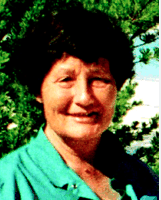
Dr Sheila Wallace
Dr Sheila Wallace was a pioneering figure in Paediatric Neurology, recognised for her outstanding contributions to clinical care, research, and education. She served as Director of the Children's Centre, working closely with Community Health Services, Neonatologists, Orthopaedic Surgeons, and specialists in developmental medicine.
Her commitment to advancing epilepsy care was reflected in her roles on the Medical Advisory Committee of the British Epilepsy Association (1974–1984) and the British Epilepsy Research Foundation Awards Committee. She also served as Treasurer of the British Paediatric Neurology Association (1984–1986) and contributed to national bodies including the Committee on the Safety of Medicines and the Medical Research Council’s Committee on the Development of Vaccines and Immunisation Procedures.
Dr Wallace was an active member of the International Child Neurology Association (ICNA) from 1990 and contributed to the European Paediatric Neurology Association (1999–2001). She also served on the editorial boards of MacKeith Press and the European Journal of Paediatric Neurology.
Her academic contributions were extensive, including key research on febrile convulsions and epilepsy, with over 15 publications by 1979. Her work spanned seizure disorders, metabolic diseases, infections, vascular conditions, trauma, and neuromuscular disorders. She was widely respected for her meticulous clinical observations, teaching excellence, and ability to inspire trainees from across the world.
Dr Wallace played a central role in establishing Paediatric Neurology in South Wales, extending its influence internationally. She remained deeply committed to her work even during personal challenges, continuing to contribute significantly to the field.
To honour Dr Wallace’s remarkable legacy, the International Child Neurology Association (ICNA) established the Sheila Wallace Award in 2006, recognising a young Child Neurologist (under 45 years of age) from a resource-limited region for outstanding clinical and research contributions to Child Neurology.